The Ulutas Medical Journal · ISSN 2149-0430 (print), 2149-388X (online) · https://www.ulutasmedicaljournal.com/?mno=182816
Review Article · Open access
St John's Wort in the treatment against Major Depression Disorder
Also available in: العربية · Türkçe · 中文
- Section of Genetics, Department of Zoology, Faculty of Life Science, Aligarh Muslim University, Aligarh, India ROR
Abstract
Depression is a complex mood disorder with many types and treated in a number of ways. There are large numbers of synthetic drugs which are used in treating major depressive disorder. However they are also found to have bad impact on the health of a patient. Depression is multifactorial phenomenon, in which hormonal and neurotransmitter imbalance plays imperative role in its causation. Though large number of pharmaceutical drugs is available but they also pose serious threat due to extended use as serious side effects also develop. It is very important to look for antidepressants from natural sources which are advantageous, less hazardous and has least side effects on human health. This article aims to focus on specific natural antidepressant St John's Wort and how it can act as alternative medicine exhibiting the potential for the treatment of depression.
Keywords
Full text
Introduction
Depression is among the most widespread diseases globally (1). It is likely by 2020 that the disability caused by depression worldwide would be at number second (2). Major depressive disorder is a devastating, frequent, and strongly a serious indisposition. It is a polygenic, heterogeneous, multifactorial brain disorder which affects person’s mood and is also known as mood disorder, which includes the symptoms of difficulty in concentrating, anxiety, feeling of lethargic, irritability, guilty, difficulty and trouble, no enjoyment in life, fatigue, diminished libido and sleep problems either insomnia or excessive sleep, mood swings, sometimes suicidal ideation and thoughts, feeling difficulty in thinking, loss of interest in daily activities, and sometimes physical grievances such as headache, deprivation of energy, and loss of pleasure activities (3, 4). Depression is mainly because (anhedonia) of biochemical alterations in the brain in which the concentration of neurotransmitter and hormones. Depression can occur to any individual at any stage from childhood to old depression is highly prevalent and is age. The reported as 16% in the general population (5). Depression was also found to be in comorbid with other psychiatric disorders (6). This makes it an important disorder to study and whose treatment needs an urgent attention. More over, there are various precipitating factors, which trigger the onset of disorder (7, 8). There are some pharmaceutical treatment for major depressive disorder like monoamine oxidase inhibitors (MAOI), tricyclic antidepressants (TCA), and, selective norepinephrine reuptake inhibitors SNRIs, and the most common ones are selective serotonin reuptake inhibitors (SSRI). However SNRIs cause variation in brain chemistry due to rise in neurotransmitter concentration and variation in control has been revealed to be useful in the treatment of depression.
There are many drugs available for the treatment of depression however, many bad effects have been observed with antidepressant use; like gastrointestinal effects, hypotension, weight gain, anticholinergic effects, nausea and constipation, and sexual abnormality (4). It is the biggest challenge however for the drug designing researchers and to pharmaceutical companies to manufacture drugs without any side effects. In order to avoid the heavy load of side effects the human kind from the beginning of the modern science looks for the alternative treatment strategies which have more benefits and less or no side effects. Considering the bad impact of the antidepressant drugs, researchers should focus on drugs which come directly from natural resources and in quality are above the pharmaceutical medicines.
In countries such as United States of America (USA), Australia and Europe a Population-based analysis have revealed that the common trend of using complementary and alternative medicines (CAM) is prevailing (9, 10). Treatment of depression symptoms with herbal therapy is found to be the most frequently used CAM therapy in United States of America (11). With increased interest among peoples from all over the world for using natural medicines in treatment, it has gained wide publicity in recent years. This has encouraged the researchers from all over the world to continuously and accurately examine such natural medicines which are usually used to treat number of disorders including major depressive disorder. As such treatment mechanisms have gained more publicity in the recent years; researchers are looking on such disease in a distinct way, so that a possible and complete substitute against synthetic drugs for treatment of number of disease could be possible. In the article we focus on specific natural antidepressant commonly known with name St John’s Wort for the treatment of depression.
St John’s Wort
The botanical name of St John's Wort is Hypericum perforatum. It belongs to a family of Clusiaceae or Hypericaceae under genus Hypericum. It is a flowering plant species that acts as a medicinal herb. It is sold globally for its major benefit and also acts as a good remedy for major depressive disorder (12, 13). It is a small weedy shrub that is grown in warm climates. Despite the fact that it tastes quite bitter; all parts of the plant, bud, stem, and leaves can be used as an herbal drug for depression. There are various clinicians and researchers who are skeptic about the qualities of St John’s Wort for its being helpful in curing the symptoms of depression, as what manufactured pharmaceutical drugs as such as Prozac can did. There are other uses of St John’s Wort for example in the treatment of Obsessive-Compulsive Disorder, Seasonal Affective Disorder (SAD), Menopause, and PMS (premenstrual syndrome) etc. It is used in the treatment of anxiety and insomnia when taken orally. St John’s Wort is first successful herbal antidepressant. Ernst in his 1999 study stated St John’s Wort is sold as a food supplement and sales enhanced by 2800% in one year (14). In America it is used as a sort of herbal celebrity, because of its good reputation as “natural” antidepressant. It more accurately attracts those people who do not like taking medicine or do not like the idea of requiring man-made chemicals as a cure. This natural anti-depressant is available in the market in the form of pills, tablets, tea or tincture. There are even St. John’s Wort potato chips and soda (with little amounts of some active constituents from St. John’s Wort).
The mechanism of action as an antidepressant by St. John’s Wort is yet unclear. There are two compounds present in herbie that is. Hyperforin and hypericin (Fig-1,2). Both of these are considered to have pharmacological functions. Hypericin and Hyperforin are considered as major constituents of St John’s Wort that are accountable for its anti-depressive effects. There are various compounds present in St. John’s Wort which may be working in a sinergistic way to generate the drug’s effects. The antidepressant activity of St. John Worts is trusted as a result from inhibition of neurotransmitters like serotonin, dopamine, and norepinephrine reuptake in the central nervous system. It is also believed to inhabit interleukin -6 release, which is a molecule associated with depression, as it is believed to change the discharging of cortisol. It has been trusted for many years by the scientific community that the active component of St. John’s Wort is hypericin alone, thus St. John’s Wort treatment were frequently standardized by their hypericin content. On the other hand, in recent times other component of the herb for instance flowers and leaves have also been exposed to generate pharmacological function in the brain, for example flavonoids (antioxidants supposed to have anti-depressant and anti-anxiety actions). Thus it is most likely several chemicals in St. John’s Wort which work in combination to bring about beneficial changes.
Many Researchers has so far focused mainly on one herb, Hypericum perforatum for its being effective as used in the management of depression (12, 13). The extracts from St. John’s wort are successful and satisfactorily well-tolerated in the treatment of both gentle to-low extreme depression (14) and major depression (15). Even though soft undesirable effects from St. John’s Wort, for example gastrointestinal troubles, lethargic, overexcitement, photo sensitivity and allergic reactions are rarely accounted (10). The main drug metabolizing enzyme CYP3A gets effected by this herb and it stimulate this enzyme and P glyco protein (P-gp), adenosine triphosphate-dependent transport is responsible for amplified drug elimination (16–18) it is a drug that curbs its activity for its treatment (10, 16, 19).
There are many pharmacological functions associated to hypericum and to the flavonoid part. On the other hand Hyperforin is a part of H. perforatum and is regarded as an important antidepressant constituent (20, 21). Hyperforin may be concerned with the obstruction of noradrenaline, serotonin, and dopamine (22, 23). It should be noted that Hippocampus and hypothalamus contains higher amount of 5-HT quantity, and is involved in the action of serotonergic system (24).
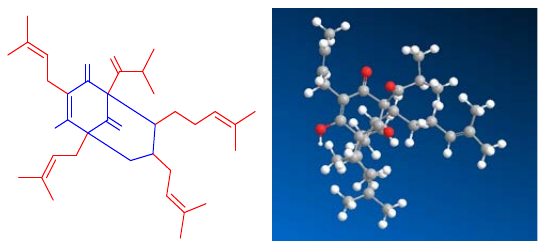
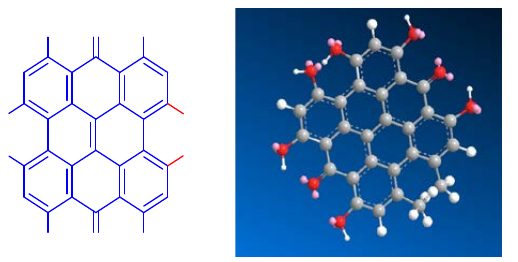
The standardized extract and quality possessing of H. perforatum L1 160, which is in its natural form does not exhibit much strong prohibitory effect on MAO-A and MAO-B (Monoamine Oxidase Inhibitor). The synaptosomal uptake of serotonin and noradrenaline shows noticeable inhibitor. On the other hand it blocks the neuronal uptake of GABA, Dopamine, and L-glutamate. These effects chiefly credited to presence of Hyperforin in the extract (25, 26).
A recent article outlines the evidence of the competence of St john’s Wort in the treatment of common psychiatric disorders, including major depression, bipolar depression, attention deficit hyperactive disorder, obsessive compulsive disorder, social phobia, and somatisation disorder (27). In a recent report, the authors attempted to study the consumer perspectives on the use of St John’s Wort, and they conclude that people use many self-care strategies to manage symptoms of depression, including more severe symptoms. They also observed that there is often a preference for more natural approaches like St John’s Wort. (28) The active component of St John’s Wort which has pharmacological activities is Hyperforin. This is also known as "herbal Prozac". It has been demonstrated that hyperforin acts as a protonophore.
Protonophore is an ionophore also known as proton translocator. It allows the protons to cross the lipid bilayer. In a recent study it has been observed that it is the protonophore properties of the hyperforin which determines its pharmacological actions (29). Cytosolic acidification caused by the hyperforin also due to its is protonophore activity. The Cytosolic acidification which fuels the plasma membrane sodium-proton exchanger also strongly depends upon the holding potential. This lead to increase in the free intracellular sodium concentration and the inhibition of neurotransmitter uptake by Na(+) co-transport. In addition to this there is a reduction in the loading of large dense core vesicles with chromoffin cells due to Hyperforin. This also requires a pH gradient in order to accumulate monoamines.
One novel constituent of St John’s Wort generally called adhyperforin was tested to observe its antidepressant activity. In order to explore this, a number of animal models of good validation along with a number of neurotransmitter reuptake and transporter binding assays were conducted. The results showed that adhyperforin in the forced swimming test and tail suspension assay could reduce the immobility time of mice (30). The same study further elaborates that adhyperforin antagonize the behaviors induced due to reserpine, while it has no effect on the locomotor activity. Following the formation of chronic inconstant mild stress rat model adhyperforin increased the sucrose consumption and also leads to an increase in the number of crossings and rearings in an open field test. Further it was also observed that uptake of serotonin, norepinephrine,and dopamine was also inhibited by adhyperforin. It is also observed that adhyperforin exhibits a strong binding inclination for the serotonin and norepinephrine transporters. As in whole this study presents an evidence that adhyperforin acts as a novel and active ingredient of Hypericum perforatum L. and bears strong properties of antidepressant nature.
In another recent study it was found that there is a significant increase in the probability of glutamate release from vagal afferents onto the neurons of solitary tract (NST) due to St John’s Wort. In does it by increasing the calcium level at presynaptic vesicles (31). The anti depressant properties of St John’s Wort are almost similar to standard antidepressants. St John’s Wort is closely related to selective serotonin reuptake inhibitors class of antidepressants which marked its antidepressant profile (32). Further studies about whether extracts of St john’s Wort are as standard as antidepressants and are they more effective than placebo in the treatment of major depression disorder and whether their side effects are fewer than antidepressant drugs are been investigated (33). The evidences available suggest three important things regarding the St john’s Wort extract. (a) They are more effective than placebo in patients with major depression disorder; (b) They are equally as effective as anti depressant and (c) They consist of fewer side effects than standard antidepressants. The study further explains that St John’s Wort in its herbal antidepressant formulations are at least as effective for the treatment of unipolar depression as classical pharmacotherapy mostly during old age. The hyperforin derivative in the form of phloroglucinol is an important bioactive molecule of multi-target drug and inhibits the reuptake of many neurotransmitters. It also shows its effect on the release of Ca(2+), Zn , H and Na(+) from internal stores, which influences the cellular homeostatic mechanisms of these ions. In addition, the activity of hyperforin are also been recognized that it acts as a potent modulator of mitochondrial functions (34).
It was revealed from one study that diverse therapeutically interesting pharmacological properties of a standardized St John’s Wort extract are potentially useful for the treatment of patients who generally suffer from metabolic and psychiatric disorders. Their observations strongly suggest that St. John’s Wort extract could be suitable alternative for the treatment of number of disorders as well as their prevention and other comorbid disorders associated with depression, anxiety and diabetes (35). Keeping this in consideration St John’s Wort can act as a suitable alternative therapeutic option. Though the evidences reviewed in this article present considerable litherature about the potential of St John’s Wort in the treatment of depression. It is recommended that St John’s Wort could be used globally in the treatment of depression. This should be given more preference than other manufactured drugs, as it bears least side effects and has the potential to replace the pharmaceutical medicines upto a large extent.
Hypericum Toxicity (St John’s Hypertoxicity)
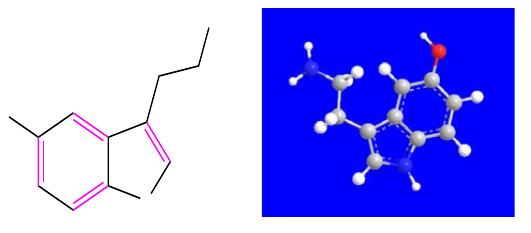
Some reports which show the side effects because of hypericin toxicity are also present, though its side effects are considered slightin comparison to other famed and deleterious side effects of antidepressant drugs. Higher amount of serotonin should be checked every interval of time particularly when hypericum is used with SSRIs, tryptophan, or 5-hydroxytryphan. Symptoms of 'Serotonin Syndrome can be due to ' extra uses of this particular extract, as per U.S. Food and Drug Administration, It is a result of overcapacity of serotonin Some researchers also called it as serotonin toxicity or serotonin toxidrome which more precisely reveals that it is a type of poisoning (37, 38). There are some other names for this type of toxicity such as serotonin poisoning, serotonin storm, hyperserotonemia, or serotonergic syndrome and serotonin sickness. It may also consist of mental status changes (like agitation, hallucinations, and coma), neuromuscular abnormalities (e.g.,hyper-reflexia, in coordination) and/or gastrointestinal tract symptoms (like nausea, vomiting, and diarrhea). Chronic cases analogous to neuroleptic malignant syndrome (NMS) is a neurological disorder for instance hyperthermia, muscle rigidity, high level of creatinine phosphate kinases (CPK) and mental status changes like delirium takes place (39). Though considering the benefits of St John’s Wort in the treatment of many psychiatric disorders including major depression disorder, its side effects are least bothering.
Conclusion
St Johns Wort is an important natural antidepressant which proves to be very effective against major depression disorder. It can effectively replace number of pharmaceutical drugs. As usually the pharmaceutical drugs presently used in the treatment of major depression disorder consists of large number of side effects. It is better option to use the natural antidepressants which can be consumed without fear of prescription and pose least or no threat of side effects. As though, there are some reports on the toxicity of St johns wort, further research on this area is encouraged which can lead us to more satisfied conclusion about the efficacy of St Johns wort in depression treatment
Declarations
- Author contributions (CRediT)
- All authors contributed equally to all 14 CRediT roles (Conceptualization, Data curation, Formal analysis, Funding acquisition, Investigation, Methodology, Project administration, Resources, Software, Supervision, Validation, Visualization, Writing – original draft, Writing – review & editing).
- Funding
-
Funding information was not reported in the published version of this article.
- Conflicts of interest
- The authors declare that no conflict of interest exists in publishing this article.
- Ethics approval
- Ethics committee approval was not required for this article, as it is based on previously published literature and does not involve human participants, patient data or animals.
- Data availability
- Data sharing is not applicable to this article as no new data were created or analysed in this study.
References (39)
26 of 39 references are linked to their DOI.
- Kruijshaar ME, Barendregt J, Vos T, et al. Life time prevalence estimates of major depression: an indirect estimation method and quantification of recall bias. Eur J Epidemiol. 2005; 20:103-111. DOI Crossref PubMed Google Scholar
- Smith AJ, Sketris I, Cooke C, et al. A comparison of antidepressant use in Nova Scotia, Canada and Australia. Pharmacoepidemiol Drug Saf. 2008; 17:697-706. DOI Crossref PubMed Google Scholar
- Tierney LM, McPhee SJ, Papadakis MA, eds. Current Medical Diagnosis & Treatment. 45th ed. SanFrancisco, CA: McGraw-Hill; 2006:1065-1066. PubMed Google Scholar
- Mann JJ. The medical management of depression. N Engl J Med. 2005; 353:1819-1834. DOI Crossref PubMed Google Scholar
- Bhat SA, Wani AL, Ara A, Saidullah B. An epidemiological study on depression and its comorbidity. Int J of Latest Res Science and Tech. 2014; 3(4): 12-17. PubMed Google Scholar
- Wani AL, Ara A, Bhat SA. “Blood Injury and Injection Phobia: The Neglected One,” Behav Neurol 2014; vol. Article ID 471340, 7 pages, 2014. doi:10.1155/2014/471340. DOI Crossref PubMed Google Scholar
- Hansson L. Quality of life in depression and anxiety. Int Rev Psychiatry 2002; 14:185-189. DOI Crossref PubMed Google Scholar
- Andrews G, Titov N. Depression is very disabling. Lancet. 2007;370:808-809. DOI Crossref PubMed Google Scholar
- Tomas K, Coleman P. Use of complementary or alternative medicine in a general population in Great Britain. Results from the National Omnibus survey. J Public Health. 2004;26:152 -157. PubMed Google Scholar
- Zhou SF, Lai X. An update of clinical drug interactions with the herbal antidepressant St. John’s wort. Curr Drug Metab. 2008; 9:394-409. DOI Crossref PubMed Google Scholar
- Tindle HA, Davis RB, Phillips RS, Eisenberg DM.Trends in the use of complementary and alternative medicine by US adults: 1997-2002. Altern ther Health Med. 2005; 11:42-49. PubMed Google Scholar
- Mehta, Sweety (2012-12-18). Pharmacognosy of St john’s Wort. Pharmaxchange.info. Retrieved 2014-02 -16. PubMed Google Scholar
- Nathan, PJ. "Hypericum perforatum (St John's Wort): a non-selective reuptake inhibitor? A review of the recent advances in its pharmacology". Journal of psychopharmacology (Oxford, England). 2001;15(1):47–54. DOI Crossref PubMed Google Scholar
- Ernst E 1999 Second thoughts about safety of St John’s wort. Lancet 354; 2014-2016. DOI Crossref PubMed Google Scholar
- Linde K, Ramirez G, Mulrow CD, Pauls A, Weidenhammer W & Melchart D. St John’s wort for depression - an overview and meta- analysis of randomised clinical trials. Br Med J. 1996; 313 253-258. DOI Crossref PubMed Google Scholar
- Hemeryck A, Belpaire FM. Selective serotonin reuptake inhibitors and cytochrome P-450 mediated drug–drug interactions: an update. Curr Drug Metabl. 2002; 3:13–37. DOI Crossref PubMed Google Scholar
- Mueller SC, Uehleke B,Woehling H, et al. Effect of St John’s wort dose and preparations on the pharmacokinetics of digoxin. Clin Pharmacol Ther. 2004;75:546–557. DOI Crossref PubMed Google Scholar
- Izzo AA. Drug interactions with St. John’s wort (Hypericum perforatum): a review of the clinical evidence. Int J Clin Pharmacol Ther.2004; 42: 139–148. DOI Crossref PubMed Google Scholar
- Muller WE, Singer A, Wonnermann M, Hafner U, Rolli M and Schafer C, Hyperforin represents the neurotransmitter reuptake inhibiting constituent of Hypericum extract, Pharmacopsychiatry. 1998; Suppl (1) 16-21 DOI Crossref PubMed Google Scholar
- Chatterjee SS, Bhattacharya SK, Wonnermann M, Singer A and Muller WE, Hyperforin as a possible antidepressant component of Hypericum extract, Life Sci. 1998; 63: 499-510. PubMed Google Scholar
- Barnes J, Anderson LA and Phillipson JD, St. John’s wort (H. perforatum L): a review of its chemistry, pharmacology and clinical properties, J Pharm Pharmacol. 2001:53: 583-600. DOI Crossref PubMed Google Scholar
- Singer A, Wonnermann M and Muller WE, Hyperforin, a major antidepressant constituent of St. John’s wort, inhibits serotonin uptake by elevating free intracellular Na+, J Pharmacol Exp Ther. 1999: 290: 1363-1368. DOI Crossref PubMed Google Scholar
- Calapai G, Crupi A, Firenzuoli F, Inferrera G, Squadrito F, Parisi A, De Sarro G and CaputiA, Serotonin, norepinephrine and dopamine involvement in the antidepressant action of Hypericum perforatum. Pharmacopsychiatry, 2001; 34(2): 45-49. DOI Crossref PubMed Google Scholar
- Yu PH, Effect of the Hypericum perforatum on serotonin t urnover in the mouse brain, Pharmacopsychiatry. 2000; 33(2): 60-65. DOI Crossref PubMed Google Scholar
- Muller WE, Rolli M, Schafer C and Hafner U, Effects of Hypericum extract in bioc hemical models of antidepressant activity, Pharmacopsychiatry. 1997; 30(2):102-107. PubMed Google Scholar
- Muller WE, Singer A and Wonnemann M, Mechanism of action of St. John’s wort extract, Schweiz Rundsch Med Prax. 2000; 89(50): 2111-2121. PubMed Google Scholar
- Sarris J. St. John's Wort for the treatment of psychiatric disorders. Psychiatr Clin North Am. 2013; 36(1):65-72. Sajad Ahmad Bhat, et al. Major Depression Disorder Treatment DOI Crossref PubMed Google Scholar
- Pirotta M, Willis K, Carter M, Forsdike K, Newton D, Gunn J. 'Less like a drug than a drug': The use of St John's Wort among people who self-identify as having depressionand/or anxiety symptoms. Complement Ther Med. 2014; 22(5):870-6. DOI Crossref PubMed Google Scholar
- Sell TS, Belkacemi T, Flockerzi V, Beck A. Protonophore properties of hyperforin are essential for its pharmacological activity. Sci Rep. 2014;4:7500. DOI Crossref PubMed Google Scholar
- Tian J, Zhang F, Cheng J, Guo S, Liu P, Wang H. Antidepressant-like activity of adhyperforin, a novel constituent of Hypericum perforatum L. Sci Rep. 2014; 4:5632. DOI Crossref PubMed Google Scholar
- Vance KM, Ribnicky DM, Hermann GE, Rogers RC. St. John's Wort enhances the synaptic activity of the nucleus of the solitary tract. Nutrition. 2014; 30(7-8 Suppl): S37-42. DOI Crossref PubMed Google Scholar
- Bukhari IA, Dar A.Behavioral profile of ypericum perforatum (St. John's Wort) extract. A comparison with standard anti depressants in animal models of depression. Eur Rev Med Pharmacol Sci. 2013; 17(8):1082-1089. PubMed Google Scholar
- Linde K, Berner MM, Kriston L. St John's wort for major depression. Cochrane Database Syst Rev. 2008 Oct 8;(4):CD000448. DOI Crossref PubMed Google Scholar
- Bouron A, Lorrain E. Cellular and molecular effects of the antidepressant hyperforin on brain cells: Review of the literature. Encephale. 2014; 40(2):108-13. PubMed Google Scholar
- Husain GM, Chatterjee SS, Singh PN, Kumar V. Beneficial effect of Hypericum perforatum on depression and anxiety in a type 2 diabetic rat model. Acta Pol Pharm. 2011;68(6):913-8. PubMed Google Scholar
- Boyer EW, Shannon M. The serotonin syndrome. N Engl J Med. 2005; 352 (11): 1112– 20. DOI Crossref PubMed Google Scholar
- Gillman PK. A review of serotonin toxicity data: implications for the mechanisms of antidepressant drug action. Biol Psychiatry.2011; 59 (11): 1046– 51. PubMed Google Scholar
- Is "Serotonin toxicity: a practical approach to diagnosis and treatment". Med J Aust. 2007; 187 (6): 361-5. PubMed Google Scholar
- Strawn JR, Keck PE, Caroff SN. "Neuroleptic malignant syndrome". Am J Psychiatry. 2007; 164 (6): 870–6. DOI Crossref PubMed Google Scholar
Respond to this article
Comments on a published article are welcome as a Letter to the Editor.
Get an e-mail when new articles in your fields are published
Questions to the authors
Questions are moderated: an editor approves each question, the authors answer, and an editor approves the answer before both appear here.
No answered questions yet.
Ask the authors a question
Discussion
Comments are moderated: they appear after the writer confirms the e-mail address and an editor approves them. Each comment carries a conflict-of-interest statement.
No comments yet.
Write a comment
Tell me when this article is cited
Leave your e-mail address and confirm it. These notices are not being sent yet; your confirmed address is kept for them and used for nothing else.
Read the full text
Open the PDF here
Loading the PDF…
If the PDF does not show here, use the download button above.
How to cite this article
Bhat SA, Wani AL, Ara A. St John's Wort in the treatment against Major Depression Disorder. Ulutas Med J. 2015;1(2):16-21. doi:10.5455/umj.20150418040725
Bhat, S. A., Wani, A. L., & Ara, A. (2015). St John's Wort in the treatment against Major Depression Disorder. The Ulutas Medical Journal, 1(2), 16–21. https://doi.org/10.5455/umj.20150418040725
Bhat, S.A., Wani, A.L. and Ara, A. (2015) 'St John's Wort in the treatment against Major Depression Disorder', The Ulutas Medical Journal, 1(2), pp. 16–21. doi: 10.5455/umj.20150418040725.
@article{umj182816,
  title = {St John's Wort in the treatment against Major Depression Disorder},
  author = {Bhat, Sajad Ahmad and Wani, Ab Latif and Ara, Anjum},
  journal = {The Ulutas Medical Journal},
  year = {2015},
  volume = {1},
  number = {2},
  pages = {16--21},
  doi = {10.5455/umj.20150418040725},
  url = {https://www.ulutasmedicaljournal.com/?mno=182816},
  issn = {2149-388X}
}