The Ulutas Medical Journal · ISSN 2149-0430 (print), 2149-388X (online) · https://www.ulutasmedicaljournal.com/?mno=164821
Original Article · Open access
Analysis of Vaccination Status of Patients Admitted to the Intensive Care Unit with Confirmed COVID-19-Related ARDS: A Retrospective Cross-Sectional Study
- Department of Anesthesiology, Faculty of Medicine, Van Yuzuncu Yil University, Tuşba, Van, Türkiye ROR
Abstract
- Introduction
- Although vaccination is considered the most effective and essential way to prevent and control COVID-19, immune responses may differ. This study investigated the relationship between vaccination status and gender, noninvasive ventilation (NIV) needs, intubation, length of stay in the intensive care unit (ICU), and mortality.
- Materials and methods
- During this study, 124 patients aged 18 years and older were admitted to the ICU. We analyzed data from 99 patients with confirmed COVID-19. The patients were divided into three groups according to their vaccination status: vaccinated (≥2 doses of vaccine), partially vaccinated (only one dose of vaccine), or unvaccinated. Vaccination status, age, gender, APACHE II, modified Charlson comorbidity index, need for NIV and intubation, date of intubation, length of stay in the ICU, and ICU outcome were recorded.
- Results
- A total of 99 patients were analyzed during the study period: 36 (36%) were vaccinated, 8 (8%) were partially vaccinated, and 55 (56%) were not vaccinated. The mean age was 58.7±18.8 years, and 51 (51.5%) were female. Comorbidity was present in 77% (n=76) of the patients. There was no correlation between vaccination status and gender (p=0.564), NIV needs (p=0.810), intubation (p=0.639), length of stay in the ICU (p=0.479), or mortality (p=0.769). The age (p=0.002), modified Charlson comorbidity index (p=0.002), APACHE II score at admission to the ICU (p=0.039), and creatinine (p=0.036) were higher in the vaccinated patients and were associated with mortality.
- Conclusion
- No correlation was found between vaccination status and gender, need for NIV, intubation, length of stay in the ICU, or mortality
Keywords
Full text
Introduction
Human coronaviruses, including the causative agent COVID-19 (SARS-CoV-2), lead recurrent infections. Vaccination is the most effective and essential step in preventing this viral infection. However, evidence of protection vaccinations provide is limited (1). It has been reported that unvaccinated people experience 2.34 times more reinfections than vaccinated people. COVID-19 vaccination is recommended for all eligible people, including those who have already experienced COVID-19 infection (2). A booster dose administered to fully vaccinated individuals aged 60 years and over has been reported to significantly reduce the COVID-19 infection risk and disease severity (3).
People in the risk group, including healthcare workers and individuals aged 65 and over, were actively vaccinated with the inactivated whole virus (CoronaVac, China) and messenger ribonucleic acid (mRNA) (mRNA-based, BioNTech/Pfizer, Germany)vaccineinTurkey(4). Protection rates may vary depending on the vaccine used and the dose repetition. For example, when the COVID-19 mRNA vaccine is administered in two doses 21 or 28 days apart, protection against infection in people aged 16 years and older is 94–95%, whereas two doses of the CoronaVac vaccine administered two to four weeks apart provide a protection rate of 67.7% (50.7%– 83.5%) against symptomatic COVID-19 (1, 5). On the other hand, a single randomized dose of Ad26.COV2.S vaccine was reported to provide up to 73.1% protection against COVID- 19 in adult participants (6). In studies conducted during the period when the delta variant was dominant, it was reported that viral ribonucleic acid (RNA) at the time of COVID-19 diagnosis were similar in nonvaccinated and vaccinated individuals but exhibited a more rapid decline, and viral RNA levels were lower in the upper respiratory tract mucosa in vaccinated cases (7). The vaccinated individuals were be much less likely to transmit COVID-19 variants, including delta,if infected (8–10).The study was conducted to investigate whether there were relationships between the vaccination status of patients admitted to the COVID-19 intensive care unit and APACHE II score at admission, the modified Charlson comorbidity index (11), requirement for noninvasive ventilation (NIV) and intubation, duration of intensive care unit hospitalization, first-day laboratory values, and final status.
Materials and Methods
After obtaining approval from the Ethics Committee, the data in the hospital information system and the records kept in the files of 124 patients aged 18 years and older who were admitted to the COVID-19 intensive care unit (ICU) of the Van Yüzüncü Yıl University, Faculty of Medicine between September 1 and October 31, 2021, were evaluated in this retrospective cross-sectional study. The data of 99 patients who met the inclusion criteria were assessed in this study, conducted during the period when the delta variant was prevalent. Patients with a positive polymerase chain reaction (PCR) test who were admitted to the ICU diagnosed with COVID-19-related acute respiratory distress syndrome (ARDS) or severe pneumonia and hospitalized for at least one day were included. Patients admitted to the intensive care unit and discharged to the ward within a few hours were considered to have unconfirmed COVID-19- related ARDS. Patients with a negative PCR test, unconfirmed COVID-19-related ARDS, and missing data were excluded from the study. The patients were classified into three groups according to their vaccination status. Those who had received no COVID-19 vaccine were considered nonvaccinated, those who had received only one dose of vaccine were partially vaccinated, and those who had received two or more doses were considered fully vaccinated. The demographic data, vaccination status on admission to the intensive care unit, APACHE II score, modified Charlson comorbidity index, need for NIV and intubation, time of intubation, ICUhospitalization duration,first-day laboratory values, and final status of the patients were recorded. The need for NIV and intubation indicates whether patients underwent NIV and intubation during their ICU stays. The intubation time means the day on which intubation was performed, and ICU hospitalization duration indicates the time from the ICU admission to discharge/death. Final status was considered as discharge to the ward or mortality.
Variables included age (years), gender, the modified Charlson comorbidity index, APACHE II score, ferritin(ng/L), fibrinogen(mg/L),D-dimer (µg/L), C-Reactive Protein (mg/L), white blood cells (WBC,10³/uL), hemoglobin (g/dL), platelets (10³/uL), aspartate amino transferase (AST, U/L), alanine aminotransferase (ALT, U/L), sodium (mmol/L), potassium (mmol/L), urea (mg/dL), creatinine (mg/dL), need for NIV, intubation, ICU hospitalization duration, and outcome.
Statistical Analysis
The mean, standard deviation, median, minimum, maximum, frequency, and ratio values were used in the descriptive statistics of the data. The variables' distributions were measured with the Kolmogorov-Smirnov test. The independent sample t-test, Mann-Whitney u test, and One-way ANOVA test were used to analyze independent quantitativedata. Forward Logistic Regression analysis was performed to evaluate the relationships between variables. The Tukey was used for pairwise comparisons (post-hoc analysis). The chi-square test was used to analyze independent qualitative data, and the Fischer test was used when the chi-square test conditions were not fulfilled. SPSS 28.0 software was used in the analyses.
Ethical Statement
In our study, written informed consent was obtained from the first-degree relatives of all participants following the Declaration of Helsinki. Furthermore, ethical approval was obtained from the Non-Interventional Clinical Research Ethics Committee of Van Yüzüncü Yıl University, with a decision dated 10.12.2021 and numbered 2021/13-01.
Results
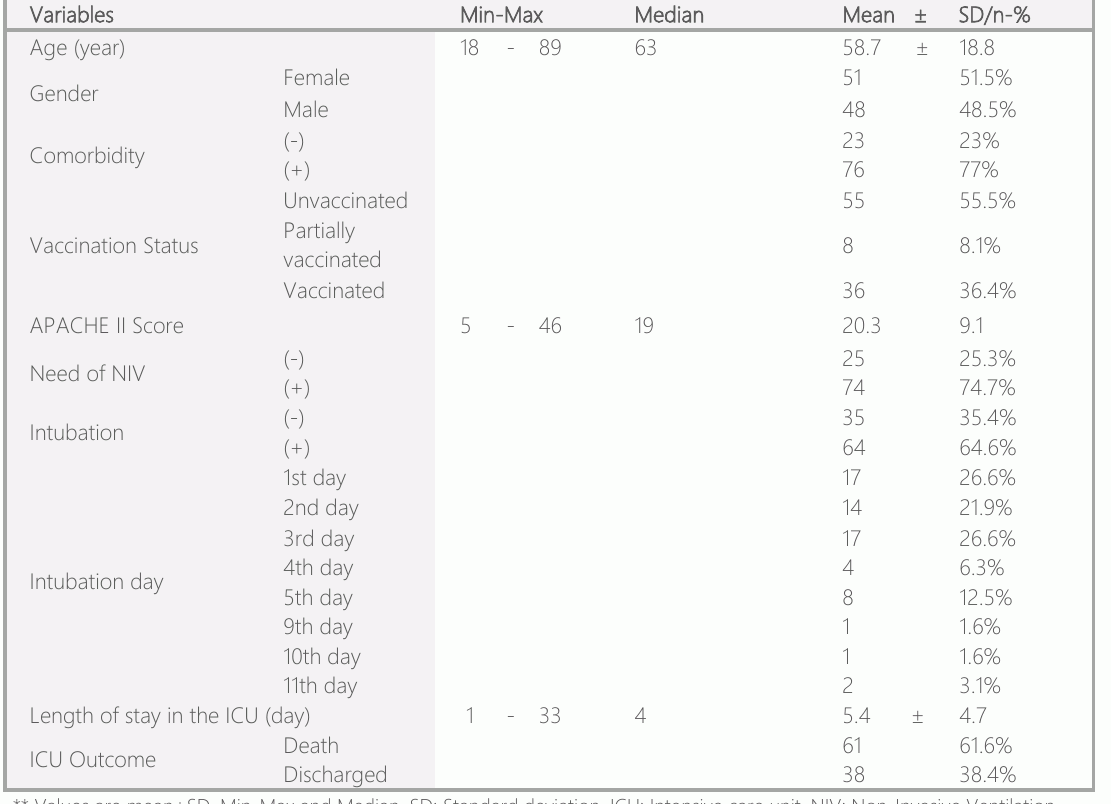
The mean age of the 99 cases included in the study was 58.7±18.8 years, and 51 (51.5%) were female. 55 (56%) were nonvaccinated, 36 (36%) were fully vaccinated, and 8 (8%) were partially vaccinated (Table-1). Seventy-seven percent (n=76) of the patients hospitalized in the ICU had comorbidities (Table 2). Hypertension 33% (n=33), diabetes mellitus 20% (n=20), coronary artery disease 12% (n=12), malignancy 10% (n= 10), and chronic obstructive pulmonary disease (COPD) 9% (n=9) were the most prevalent comorbidities. Among 61 (62%) patients with COVID-19-related ARDS or severe pneumonia who died in the ICU, 34 were nonvaccinated, 23 were fully vaccinated, and four were partially vaccinated.
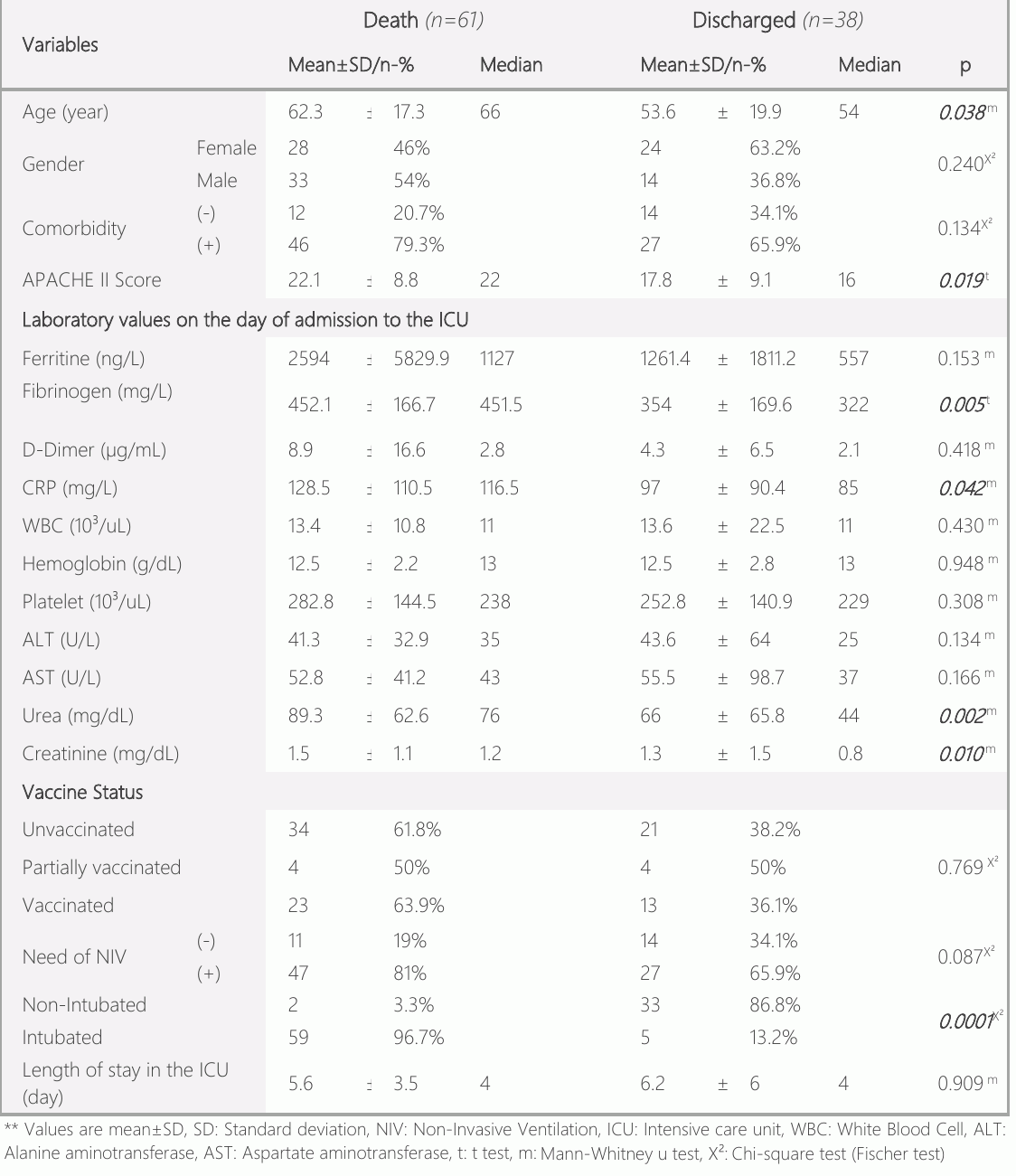
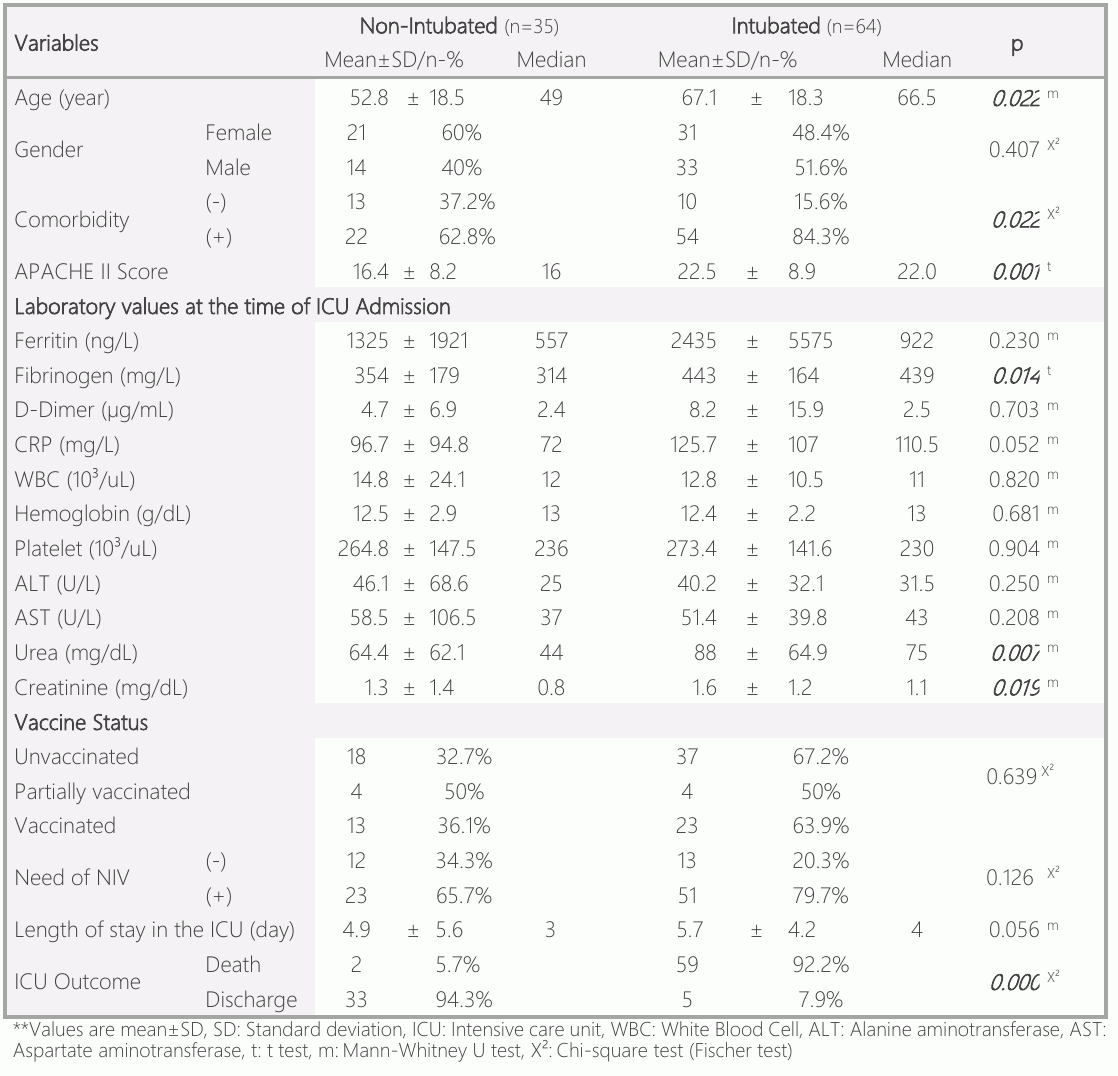
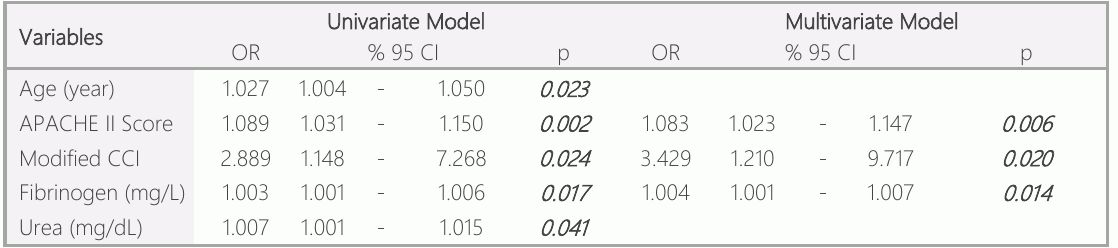
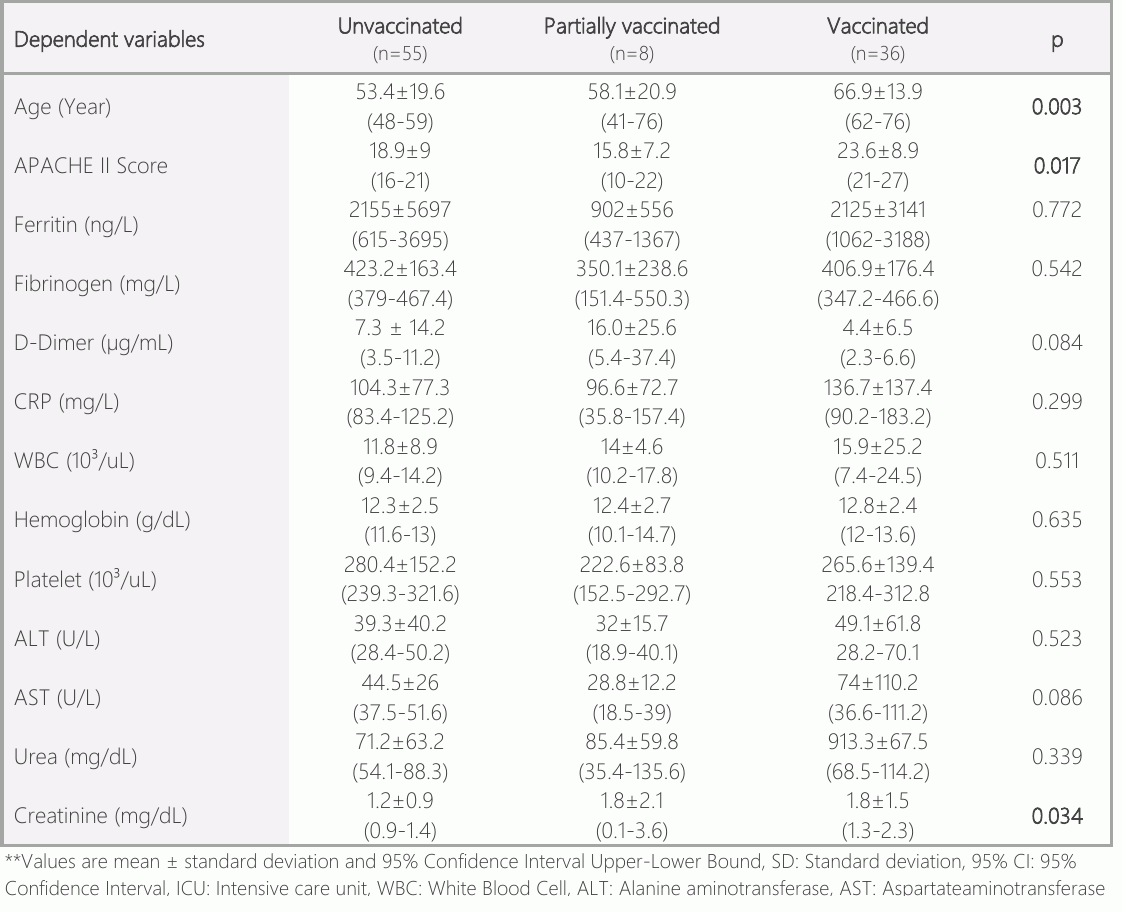
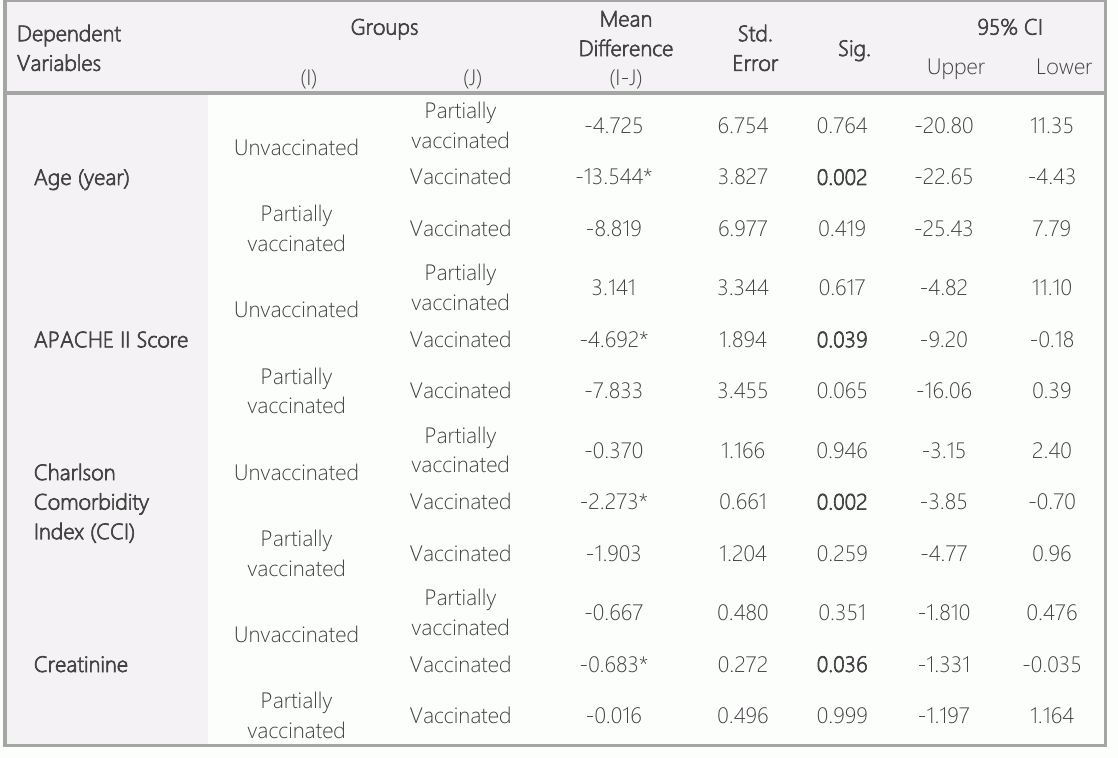
Age, APACHE II score on admission, modified Charlson comorbidity index, fibrinogen, CRP, urea, creatinine values, and intubation rates were statistically significantly higher in the deceased patients. The gender distribution, ferritin, D-dimer, WBC, Hb, Plt, ALT, AST, Na, K values, vaccination status, need for NIV, and ICU hospitalization durations were similar to those of the discharged patients (Table 2). Age, admission APACHE II score, the modified Charlson comorbidity index, fibrinogen, urea, creatinine values, and mortality rates were significantly higher in the intubated patients. Age, admission APACHE II score, the modified Charlson comorbidity index, fibrinogen, urea, creatinine values, and mortality rates were significantly higher in the intubated patients. On the other hand, gender distribution, admission ferritin, D-dimer, CRP, WBC, Hb, Plt, ALT, AST, Na, K values, vaccination status, need for NIV, and ICU hospitalization durations were similar to those of the non-intubated patients (Table 3). Univariate logistic regression analysis revealed significant associations among age, the APACHE II at ICU admission, the modified Charlson comorbidity index, fibrinogen and urea levels, and intubation status (p<0.05). In addition, significant independent (p<0.05) effects of the APACHE II score, the modified Charlson comorbidity index, and the fibrinogen were observed in the multivariate reduced model constructed for differentiating intubated and non-intubated patients. These parameters were statistically higher in the intubated patients (Table 4). The chi-square analysis revealed no relationships among vaccination status and gender (p=0.564), ICU hospitalization (p=0.479), need for NIV (p=0.810), intubation (p=0.639), or mortality (p=0.769). Significant differences (p< 0.05) were determined among the groups regarding age, APACHE II score on admission to the ICU, the modified Charlson comorbidity index, and laboratory values (Table-5). The post hoc (Tukey) analysis indicated that age (p=0.002), the modified Charlson comorbidity index (p=0.002), APACHE II score on admission to the ICU (p=0.039), and creatinine (p=0.036) values were higher in the fully vaccinated group than in the nonvaccinated group (Table 6).
Discussion
The principal results of this study were that age, APACHE II, modified Charlson comorbidity index, and creatinine values on admission to the ICU were higher in the fully vaccinated group. Age; APACHE II score on the day of admission to the ICU; modified Charlson comorbidity index; levels of fibrinogen, CRP, urea, and creatinine; and intubation were associated with mortality. On the other hand, no association was found between vaccination status and the need for NIV, intubation, ICU hospitalization duration, or mortality. These variables were similar in the death and discharged patients. As of July 2021, the delta variant was reported to be the dominant variant in Turkey and 60% more contagious than the alpha variant (12, 13). Severe COVID may occur in any age. However, those older than 60 with comorbidities suffer more severely from COVID-19. The need for hospitalization and mortality due to COVID-19 has increased in elderly patients. It has been reported that 80% of deaths in ICUs are seen in patients aged 65 and over; furthermore, male patients have a more severe course of COVID- 19 and a higher mortality rate (1, 14–16). Hypertension, diabetes mellitus, cardiovascular disorders, chronic kidney disease, extreme obesity, suppressed immunity, and extrapulmonary organ dysfunction on admission to ICU increase the COVID-19-related mortality risk at an advanced age. Turkish Ministry of Health data indicate that 76.4% of citizens aged ≥65 years had been vaccinated as of April 2021 (17). Most vaccinated patients were already comorbid and over 65 years of age. Therefore, the Charlson comorbidity index was higher in the vaccinated group. It has been reported that 80–88% of patients admitted to the ICU due to acute respiratory failure were intubated, and invasive mechanical ventilation was applied. The mortality rate was 31%, whereas it was 37% in early-intubated patients (18, 19). While our study’s overall comorbidity rate was 77%, it was 84% in intubated patients. The intubation rate was 65%; 75% of the intubated patients were intubated in the first three days, and invasive mechanical ventilation was initiated. While our overall mortality rate was 62%, it was 92% in intubated patients. The deceased mean age was higher than the survivors. Advanced age, comorbidities, and the need for intubation increased the mortality risk, as supported by our data. Contrary to the literature, gender was not associated with mortality and intubation. Among fully vaccinated people with the CoronaVac vaccine, adjusted vaccine efficacy was 66% protective in preventing COVID-19 infection,88%protectiveagainst hospitalization, 90% protective against the need for an ICU, and 86% protective against COVID-19-related mortality (20). In addition, the CoronaVac vaccine has been effective in people aged 60 years and older. It can be administered safely, although its effectiveness in adults aged 70 years and older has been lower (21, 22). The immune response of individuals 65 and older is lower than that of others (21). Some people might not be able to develop a sufficient immune response against the COVID-19 vaccine (1). Sevinç et al. found that COVID-19- related ICU mortality was 69% in the vaccinated group and 83% in the nonvaccinated group. They reported no difference for vaccinated and nonvaccinated patients regarding the duration of ICU and in-hospital stay and mortality rates (23). Our results were similar to Sevinç et al. No associations were determined between vaccination status, the need for NIV, and ICU hospitalization and mortality duration. Of the vaccinated cases, 58% were older than 70 years. This situation, which adversely affects vaccine efficacy, leading to an increased mortality rate. Patients hospitalized for severe COVID-19 are at a high risk of developing acute kidney injury (AKI). Numerous factors, such as hypervolemia, drug toxicity, vascular injury, and probably the direct cytotoxic effect of the virus, play roles in AKI development. AKI is COVID-19’s most prevalent extrapulmonary manifestation and has been determined to be associated with an increased risk of mortality (24). In our study, increased urea and creatinine levels, indicators of extrapulmonary involvement, were also associated with mortality.
Vaccination against COVID-19 is critical for the immunocompromised kidney transplant population (25). Unfortunately, only 18.8% were reported to develop anti-SARS-CoV-2 IgG antibodies against nucleocapsid and spike antigens in 28 days following the second dose of CoronaVac (26). In patients with a renal transplant, the CoronaVac vaccine was associated with low reactogenicity, low immunogenicity, and low incidence of COVID- 19; however, no reduction in mortality rates was reported (27). In this cross-sectional study, the mean age of the eight renal transplant patients followed up in the COVID-19 ICU was 50 years, the vaccination rate was 75%, and the mortality rate was 50%. There was no significant decrease in mortality despite the high vaccination rate. In this study, the sample size was small, and the time of the last vaccination was unclear. In addition, the patient’s current antibody levels and immune status were unknown upon admission to ICU. Therefore, these conditions were considered the study’s limitations.
Conclusion
There was no association between vaccination and the need for NIV, intubation, length of stay in the ICU, or mortality. However, mortality was associated with age, APACHE II on admission to the ICU, the modified Charlson comorbidity index, elevated fibrinogen, CRP, urea, and creatinine levels, and intubation. Our results suggest the need for comprehensive studies investigating vaccine efficacy, especially in elderly and comorbid patients.

Declarations
- Author contributions (CRediT)
- All authors contributed equally to all 14 CRediT roles (Conceptualization, Data curation, Formal analysis, Funding acquisition, Investigation, Methodology, Project administration, Resources, Software, Supervision, Validation, Visualization, Writing – original draft, Writing – review & editing).
- Funding
-
This study has no financial support or funding.
- Conflicts of interest
- The authors declare no conflict of interest.
- Ethics approval
- In our study, written informed consent was obtained from the first-degree relatives of all participants following the Declaration of Helsinki. Furthermore, ethical approval was obtained from the Non-Interventional Clinical Research Ethics Committee of Van Yüzüncü Yıl University, with a decision dated 10.12.2021 and numbered 2021/13- 01.
- Data availability
- A data availability statement was not reported in the published version of this article.
References (27)
21 of 27 references are linked to their DOI.
- Cascella M, Rajnik M, Aleem A, Dulebohn S, Di Napoli R. Features, evaluation, and treatment of coronavirus (COVID-19). StatPearls. 2023. Accessed on 30.07.2022 https://www.statpe arls.com/ArticleLibrary/viewarticle/52171 PubMed Google Scholar
- Cavanaugh AM, Spicer KB, Thoroughman D, Glick C, Winter K. Reduced risk of reinfection with SARS-CoV -2 after COVID- 19 vaccination Kentucky. MMWR. 2021;70(32): 1081. PubMed Google Scholar
- Spitzer A, Angel Y, Marudi O, Zeltser D, Saiag E, Goldshmidt H, et al. Association of a third dose of BNT162b2 vaccine with incidence of SARS-CoV-2 infection among health care workers in Israel. JAMA. 2022;327(4):341–349. DOI Crossref PubMed Google Scholar
- Barlas G, Öztürk H, Pehlivantürk G, Aydin S. Turkey's response to COVID- 19 pandemic: strategy and key actions. Turkish Journal of Medical Sciences, 2021;51(7):3150-3156. DOI Crossref PubMed Google Scholar
- Jin L, Li Z, Zhang X, Li J, Zhu F. CoronaVac: a review of efficacy, safety, and immunogenicity of the inactivated vaccine against SARS-CoV-2. Hum Vaccin Immunother. 2022;18(6):2096970. DOI Crossref PubMed Google Scholar
- Sadoff J, Gray G, Vandebosch A, Cárdenas V, Shukarev G, Grinsztejn B, et al. Safety and efficacy of single-dose Ad26. COV2. S vaccine against Covid-19. N Engl J Med. 2022;384(23): 2187–2201. DOI Crossref PubMed Google Scholar
- Chia PY, Ong SWX, Chiew CJ, Ang LW, Chavatte JM, Mak TM, et al. Virological and serological kinetics of SARS-CoV-2 Delta variant vaccine breakthrough infections: a multicentre cohort study. Clin Microbiol Infect 2022;28:612.e1. DOI Crossref PubMed Google Scholar
- Puhach O, Adea K, Hulo N, Sattonnet P, Genecand C, Iten A, et al. Infectious viral load in unvaccinated and vaccinated individuals infected with ancestral, Delta or Omicron SARS-CoV-2. Nat Med 2022;28:1491-1500. DOI Crossref PubMed Google Scholar
- Jung J, Kim JY, Park H, Park S, Lim JS, Lim SY, et al. Transmission and infectious SARS-CoV-2 shedding kinetics in vaccinated and unvaccinated individuals. JAMA Netw Open 2022;5:e2213606. DOI Crossref PubMed Google Scholar
- Kissler SM, Fauver JR, Mack C, Tai CG, Breban MI, Watkins AE, et al. Viral dynamics of SARS-CoV-2 variants in vaccinated and unvaccinated persons. N Engl J Med 2021; 385:2489. DOI Crossref PubMed Google Scholar
- Charlson M, Szatrowski T, Peterson J, Gold J. Validation of a combined comorbidity index. J Clin Epidemiol. 1994;47:1245– 51. DOI Crossref PubMed Google Scholar
- Aydoğan O, Şaylan Gözün E, Güven Ö, Ayaz A, Yiğitbaşı T. Prevalence of SARS-CoV-2 variants in COVID-19 positive patients. Klimik Derg. 2022;35(4): 220–223. DOI Crossref PubMed Google Scholar
- Tian D, Sun Y, Zhou J, Ye Q. The global epidemic of SARS-CoV-2 variants and their mutational immune escape. J Med Virol. 2021;5:10.1002/jmv.27376 DOI Crossref PubMed Google Scholar
- Finelli L, Gupta V, Petigara T, Yu K, Bauer KA, Puzniak LA. Mortality among US patients hospitalized with SARS-CoV-2 infection in 2020. JAMA Netw Open. 2021;4(4):e216556. DOI Crossref PubMed Google Scholar
- Combat COVID U.S. Department of Health and Human Services (HHS). Frequently asked questions about COVID-19 vaccine. Available: combatcovid.hhs.gov/covid-19-vaccineinformation. PubMed Google Scholar
- Shahid Z, Kalayanamitra R, McClafferty B, Kepko D, Ramgobin D, Patel R, et al. COVID-19 and older adults: what we know. J Am Geriatr Soc. 2020;68:926–929. PubMed Google Scholar
- Birliği TT. Yeni Koronavirüs Pandemisi Sürecinde Türkiye'de Covid-19 Aşılaması ve Bağışıklama Hizmetlerinin Durumu. 2021 PubMed Google Scholar
- Clinical characteristics and day-90 outcomes of 4244 critically ill adults with COVID-19: a prospective cohort study. Intensive care med. 2021;47:60–73. DOI Crossref PubMed Google Scholar
- Grasselli G, Zangrillo A, Zanella A, Antonelli M, Cabrini L, Castelli A, et al. Baseline characteristics and outcomes of 1591 patients infected with SARS-CoV-2 admitted to ICUs of the Lombardy Region, Italy. JAMA 2020. DOI Crossref PubMed Google Scholar
- Jara A, Undurraga EA, González C, Paredes F, Fontecilla T, Jara G, et al. Effectiveness of an inactivated SARS-CoV-2 vaccine in Chile. N Engl J Med. 2021;2;385(10):875–884. DOI Crossref PubMed Google Scholar
- Edwards K, Orenstein WA. COVID-19: Vaccines to prevent SARS-CoV-2 infection. U: UpToDate. 2021;20 [Internet]. https:// www.uptodate.com/contents/covid-19-vaccines-to-prevent-sars-cov-2-infection. PubMed Google Scholar
- Ranzani OT, Hitchings MDT, Dorion M, D'Agostini TL, de Paula RC, de Paula OFP et al. Effectiveness of the CoronaVac vaccine in older adults during a gamma variant associated epidemic of covid-19 in Brazil: test negative case-control study. BMJ. 2021; 374:2015. DOI Crossref PubMed Google Scholar
- Sevinc SA, Metin S, Basi NB, Ling J, Cinar AS, Oba S. Effectiveness of inactivated SARS-CoV-2 vaccine (CoronaVac) on intensive care unit survival. Epidemiol & Infect. 2022:150. DOI Crossref PubMed Google Scholar
- Martinez- Rojas MA, Vega-Vega O, Bobadilla NA. Is the kidney a target of SARS-CoV-2? Am J Physiol Renal Physiol. 2020; 318(6):F1454–F1462. DOI Crossref PubMed Google Scholar
- Combe C, Kirsch AH, Alfano G, Luyckx VA, Shroff R, Kanbay M, van der Sande F, Basile C, EUDIAL Working Group of the ERA-EDTA. At least 156 reasons to prioritize COVID-19 vaccination in patients receiving in-centre haemodialysis. Nephrol Dial Transplant. 2021;36(4):571–574. DOI Crossref PubMed Google Scholar
- Eren Sadioğlu R, Demir E, Evren E, Aktar M, Şafak S, Artan AS et al. Antibody response to two doses of inactivated SARS-CoV-2 vaccine (CoronaVac) in kidney transplant recipients. Transpl Infect Dis. 2021;23(6):e13740. DOI Crossref PubMed Google Scholar
- Medina-Pestana J, Covas DT, Viana LA, Dreige YC, Nakamura MR, Lucena EF et al. Inactivated whole-virus vaccine triggers low response against SARS-CoV-2 infection among renal transplant patients: prospective phase 4 study results. Transplantation. 2022;106(4):853–861. DOI Crossref PubMed Google Scholar
Read the full text
Open the PDF here
Loading the PDF…
If the PDF does not show here, use the download button above.
How to cite this article
Gunes HY, Kurt N. Analysis of Vaccination Status of Patients Admitted to the Intensive Care Unit with Confirmed COVID-19-Related ARDS: A Retrospective Cross-Sectional Study. Ulutas Med J. 2023;9(3):118-127. doi:10.5455/umj.20230810014855
Gunes, H. Y., & Kurt, N. (2023). Analysis of Vaccination Status of Patients Admitted to the Intensive Care Unit with Confirmed COVID-19-Related ARDS: A Retrospective Cross-Sectional Study. The Ulutas Medical Journal, 9(3), 118–127. https://doi.org/10.5455/umj.20230810014855
Gunes, H.Y. and Kurt, N. (2023) 'Analysis of Vaccination Status of Patients Admitted to the Intensive Care Unit with Confirmed COVID-19-Related ARDS: A Retrospective Cross-Sectional Study', The Ulutas Medical Journal, 9(3), pp. 118–127. doi: 10.5455/umj.20230810014855.