The Ulutas Medical Journal · ISSN 2149-0430 (print), 2149-388X (online) · https://www.ulutasmedicaljournal.com/?mno=238104
Original Article · Open access
Comparison Between Surgical Procedures Performed in the First Year of the COVID-19 Pandemic and the Previous Year in a Tertiary Hospital: A Retrospective Analysis
- Department of Anesthesiology and Reanimation, Van Yüzüncü Yıl University, Faculty of Medicine, Tuşba, Van, Türkiye ROR
- Department of Biostatistics, Van Yüzüncü Yıl University, Faculty of Medicine, Tuşba, Van, Türkiye ROR
Abstract
- Background
- The rapid spread of COVID-19 has disrupted routine healthcare worldwide, resulting in widespread fear and anxiety. Recommendations were made to cancel or postpone elective surgery to minimize risk for the pandemic response. This retrospective analysis evaluates the impact of the COVID-19 pandemic on operating room services at our hospital and to identify the spectrum of surgical cases managed during this period.
- Methods
- Data were collected from 22,725 patients aged 0–100 years who underwent surgical procedures under anesthesia between March 1, 2019, and January 20, 2021. The patients were categorized into two groups based on the period during which their surgeries were performed. Patients who underwent surgery between March 1, 2019 and February 29, 2020 were categorized as Group I, whereas those who underwent surgery between March 1, 2020 and January 20, 2021 were categorized as Group II. Demographic data, comorbidities, the monthly volume of surgeries conducted at the surgical clinics, and the anesthesia techniques utilized were compared.
- Results
- During the pandemic, the number of surgeries in all surgical branches, especially ear–nose–throat (73.5%), cardiovascular surgery (59.4%), and plastic and reconstructive surgery (57.1%), decreased. Decreases in the number of certain surgical procedures, such as bone fracture repair (p=0.248), oncological surgery (p=0.210), urolithiasis (p=0.245), critical ophthalmological surgeries (p=0.575), and pediatric surgeries (p=0.415), were not significant.
- Conclusion
- During the first year of the COVID-19 pandemic, adherence to triage protocols and postponement recommendations led to a significant reduction in the number of surgeries performed, with the exception of cesarean delivery and appendectomies. The performance-based supplementary payment system implemented for physicians in the Turkish healthcare, along with the increased elective caseload resulting from postponements, has led to the effective performance of specific elective surgeries during the COVID-19 pandemic.
Keywords
Full text
Introduction
First identified in Wuhan, China, on December 1, 2019, COVID-19 (Coronavirus disease) was declared a pandemic by the World Health Organization (WHO) on March 11, 2020, following its rapid spread worldwide. The first confirmed case of coronavirus disease 2019 in Turkey was officially reported on March 11, 2020 (1). It, a highly contagious infection, poses risks to health care workers (2). Moreover, it has caused widespread disruptions in the delivery of routine health care services globally by inducing fear and anxiety (3). Surgical stress in infected patients, particularly those in the incubation period of the pandemic, may exacerbate the severity of the disease (4, 5). This is because the patient’s immune function plays a crucial role in the progression of COVID-19. Surgical stress can trigger acute immune dysfunction and early systemic inflammatory response (4). It has been recommended that elective surgery be canceled or postponed to reduce exposure to COVID-19, safeguard patients, and optimize the utilization of medical resource (6). This was unprecedented situation. Consequently, COVID-19 pandemic introduced challenges, complicating decision-making (7). Assessing the impact of COVID-19 on operating room services at a regional level could provide valuable insights for resource allocation and planning during similar emergencies in the future (8). This retrospective analysis aimed to examine the impact of the pandemic on operating services and to identify the spectrum of surgical cases we received.
Materials and Methods
Ethical Statement
This study was conducted in accordance with the ethical principles outlined in the Declaration of Helsinki. This retrospective study was conducted at a hospital that provides tertiary health care services. Ethical approval was obtained from the Non-Interventional Clinical Research Ethics Committee of Van Yüzüncü Yıl University on November 18, 2022 (Approval Number: 2022/11-21). Patient confidentiality and data security were maintained throughout the study period.
Inclusion and Exclusion Criteria
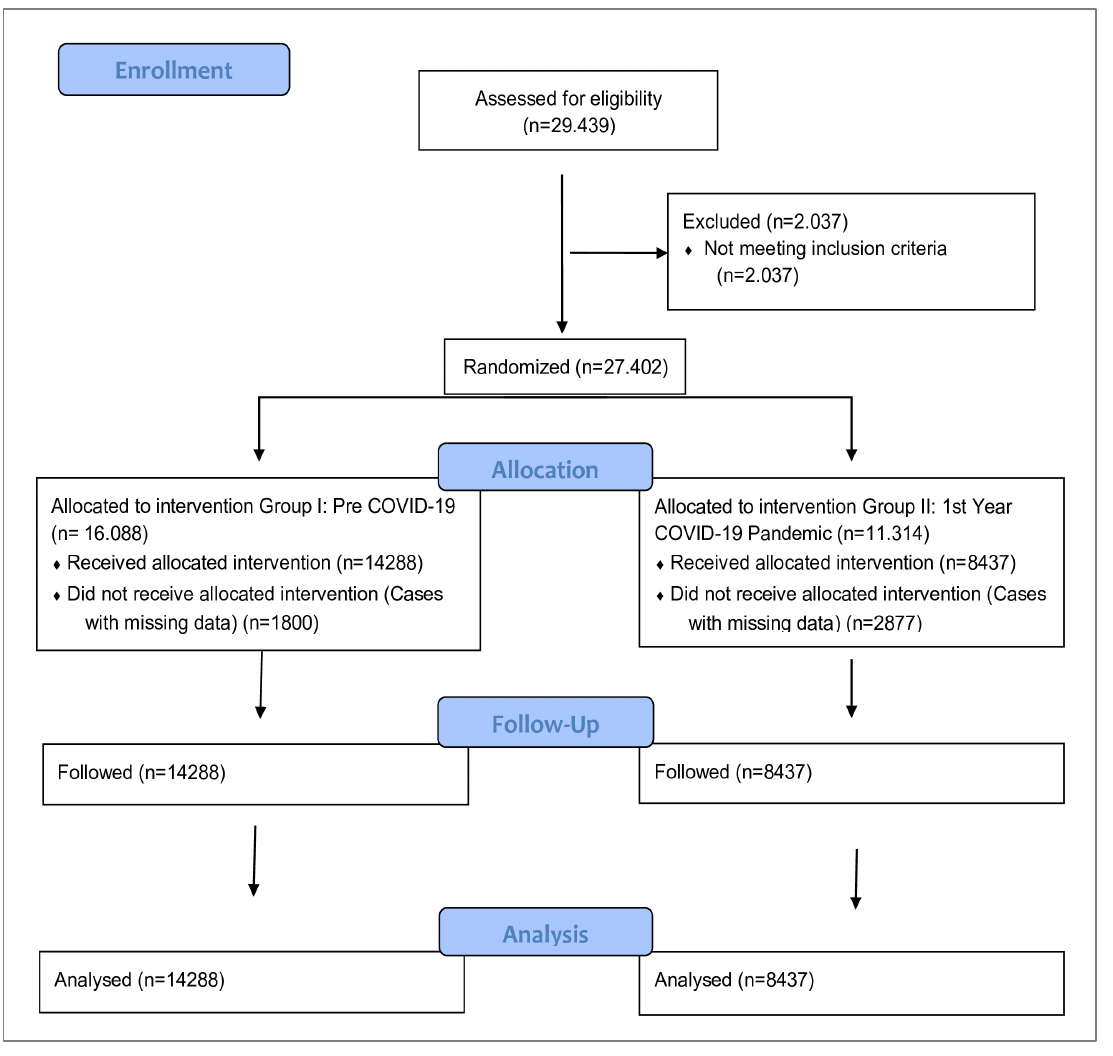
The eligibility criteria were as follows: age between 0-100 years, hospitalization between March 1, 2019 - January 20, 2021, undergoing a surgical procedure under anesthesia, and having complete records. Ones who underwent outpatient procedures under local anesthesia (e.g., simple skin incision suturing, dilation and curettage, or amniocentesis), as well as those with missing data (age, sex, American Society of Anesthesiologists Physical Status classification, comorbidity status, or anesthesia technique), were excluded from the study [Figure 1].
Patients were classified into two groups based on the timeframe during which their surgery were performed. Patients who underwent surgery between March 1, 2019 and February 29, 2020 were categorized as Group I (pre- COVID-19), whereas those who underwent surgery between March 1, 2020 and January 20, 2021 were categorized as Group II (first year of the pandemic). The variables of these groups were compared across the two periods. The data on cases performed at our hospital between March 1, 2019 and January 20, 2021, were obtained from the hospital database. Data from 22,725 patients who met the inclusion criteria were analyzed.
The variables included age,sex, height, weight, American Society of Anesthesiologists Physical Status (PS) scores, surgical clinics, type of surgery, type of anesthesia, comorbidities, and whether the cases were classified as emergency or elective.
The primary outcome was the change in the number of surgical cases during the first year of the COVID-19 pandemic compared with the previous year. Secondary outcomes included the monthly number of surgical procedures performed by surgical clinics in both groups and the changes in the number of emergency and elective cases during national restrictions period of the pandemic. The number of surgical procedures performed by clinics in both groups was evaluated and compared monthly.
Statistical Analysis
Descriptive statistic was presented as median, mean, and standard deviation for continuous variables and as counts and percentages for categorical variables. The student’s t-test was used to compare the means of the pre-COVID and first-year COVID-19 pandemic groups for continuous variables. The Z-test or Fisher’s exact test was used to compare the proportions between the groups. The statistical significance level was set at 5%, and all analyses were performed using SPSS software (version 21).
Results
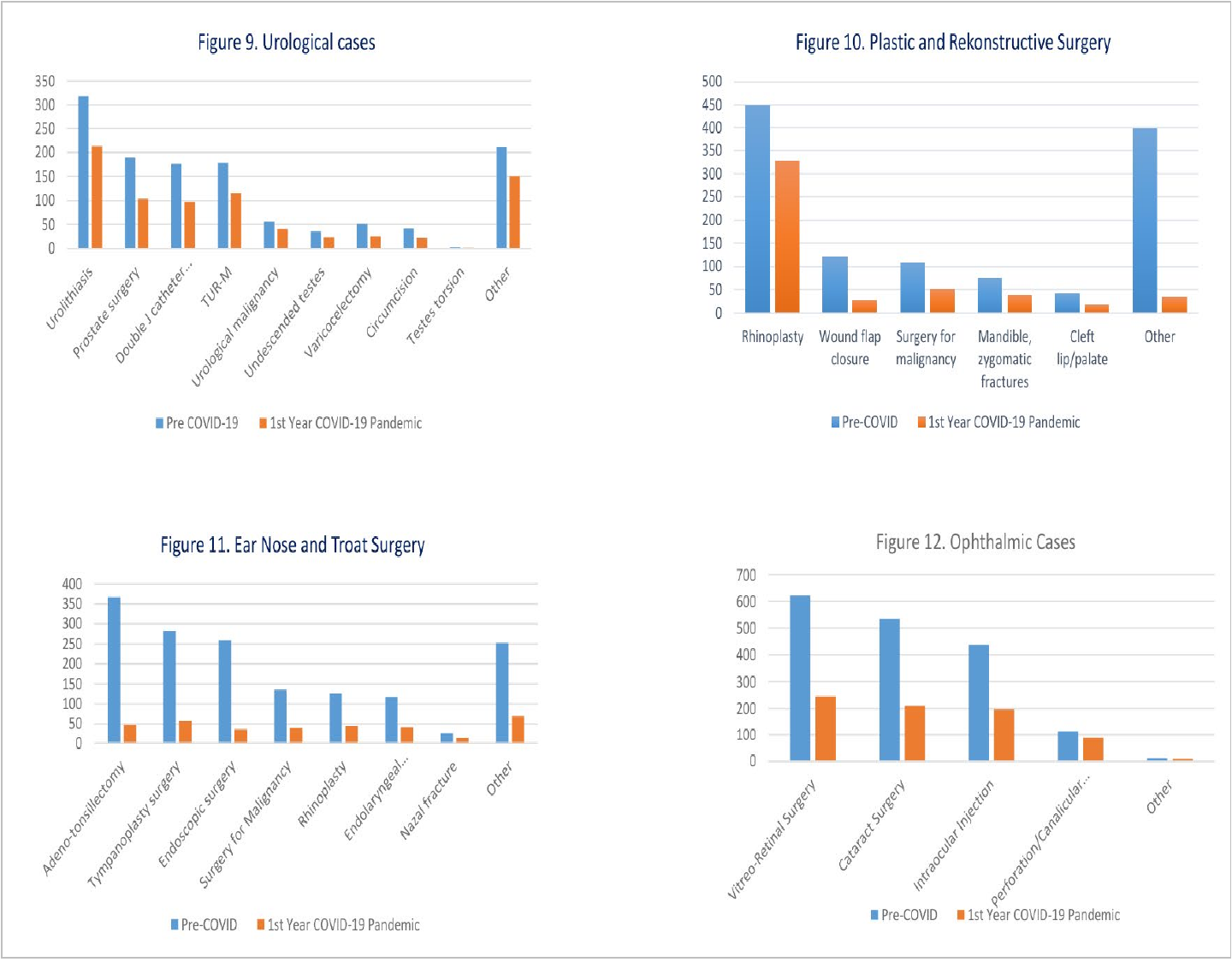
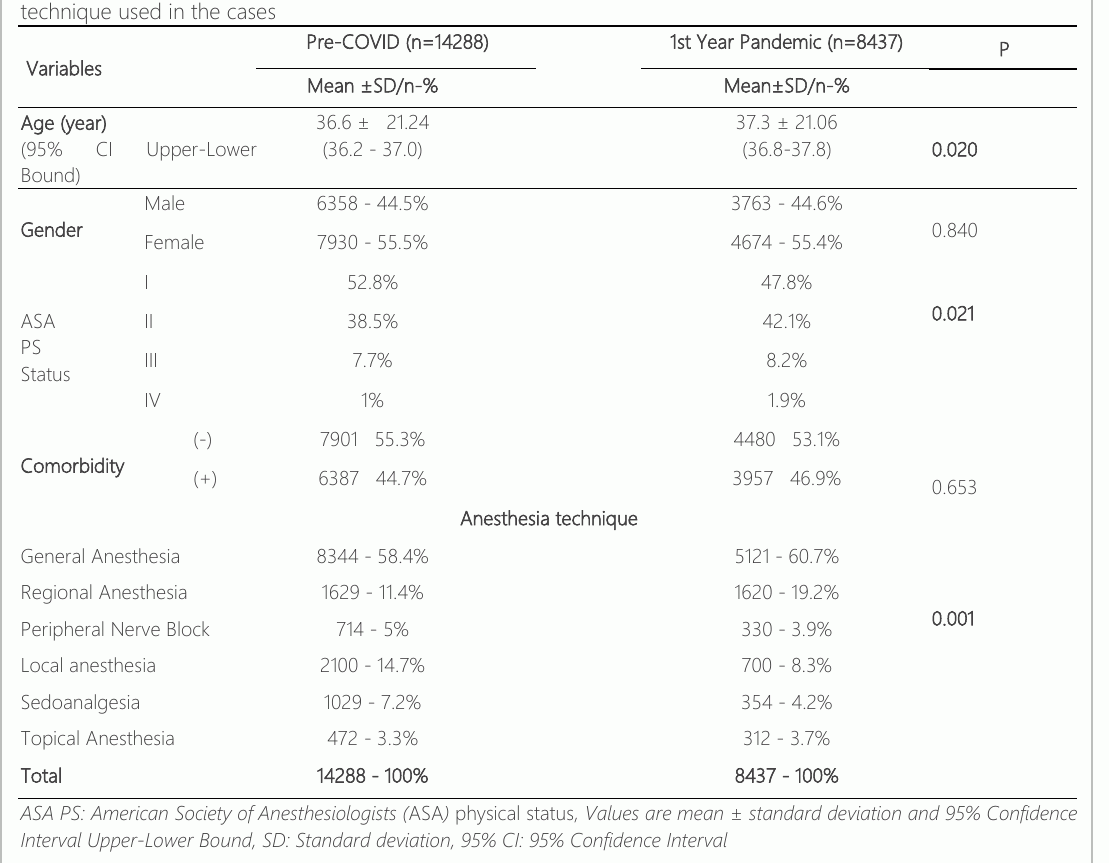
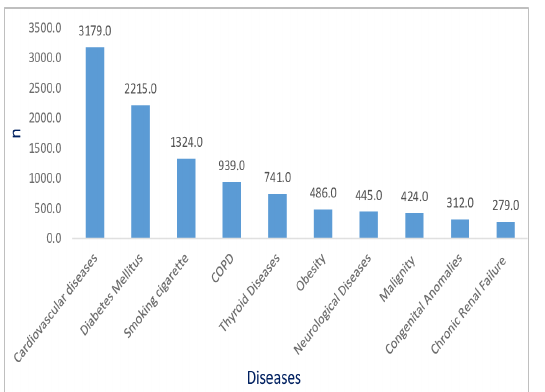
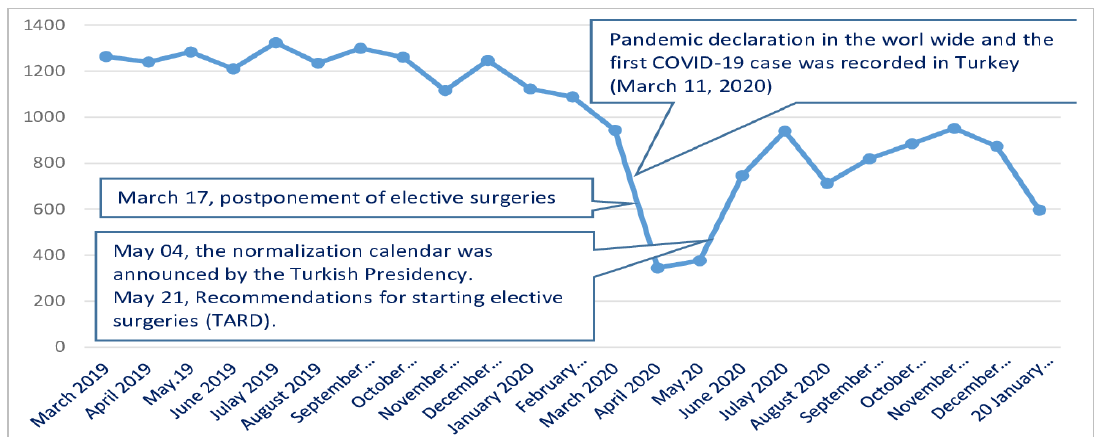
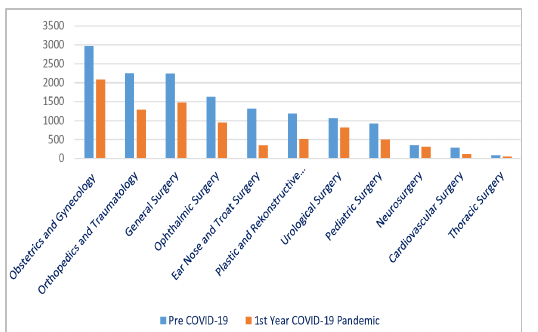
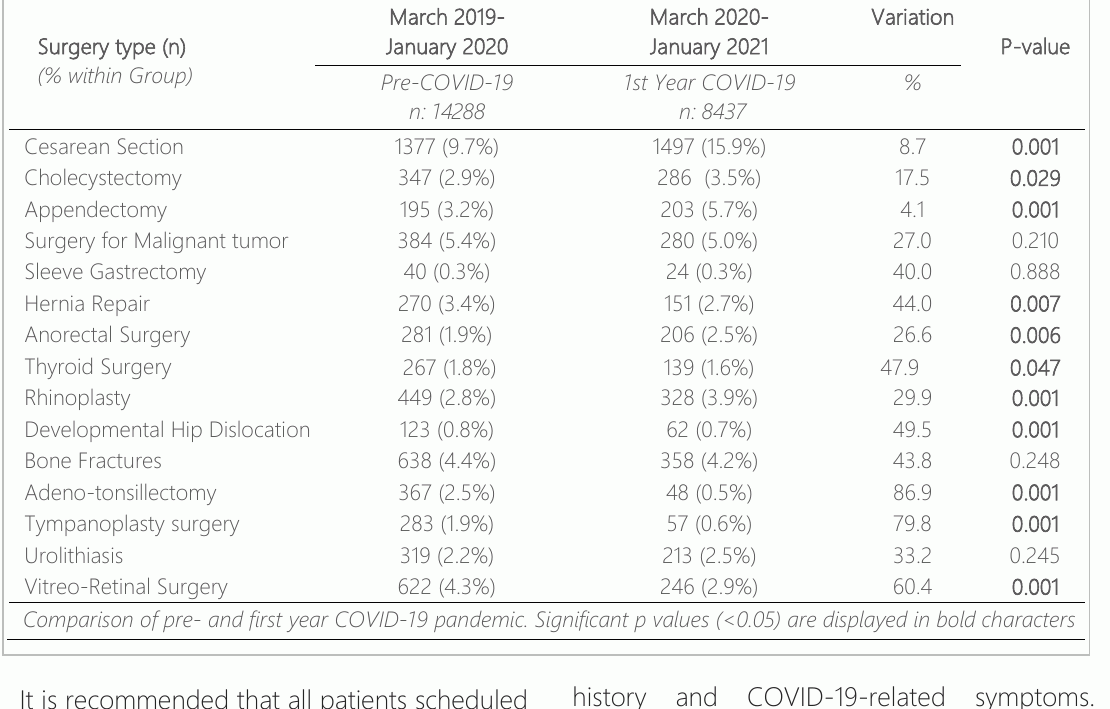
Data from 22,725 patients meeting the inclusion criteria were analyzed between March 1, 2019 and January 20, 2021 [Figure 1]. The mean age of patients was 36.6 years in group I and 37.3 years in group-II. The majority of patients in both groups were female (p=0.840), with 55.5% in Group I and 55.4% in Group II. Comorbidities were observed in 44.7% of cases in Group I and 46.9% in Group II (p=0.653). The most common comorbidities were diabetes mellitus, chronic obstructive pulmonary disease (COPD), thyroid disease, cardiovascular disease, smoking, and obesity [Figure 2]. The ASA PS scores of the groups (p=0.021), anesthesia techniques used (p=0.001), and observed changes are presented in Table 1. General anesthesia was the preferred technique in both groups and was used more during the pandemic than in the previous year (p=0.001). The mean number of the monthly surgical procedures before COVID-19 was 1224. After the restriction measures and postponement recommendations, the monthly number of surgical cases decreased by 71.8% and reached the minimum level in April 2020 (n:345). A rapid increase in the number of cases across all surgical clinics has been observed since May 2020 [Figure 3]. Surgical clinics that performed the highest number of procedures during the first year of the pandemic were gynecology and obstetrics, general surgery, orthopedics and traumatology, ophthalmology, and urology [Figure 4]. Compared with the previous year, a decrease in the number of surgeries was observed across all surgical clinics, particularly in ear, nose, and throat (ENT) (73.5%) [Figure 6; Supplemental Figures 9–12], cardiovascular surgery (59.4%), and plastic and reconstructive surgery (57.1%) (Figure 4). Decreases in the number of surgical procedures, including bone fractures (p=0.248), orthopedic/traumatology procedures (p=0.271), oncological surgeries (p=0.210), urolithiasis treatments (p=0.245), ophthalmological surgeries (p=0.575), sleeve gastrectomy (p=0.888), pediatric surgeries (p=0.415), and thoracic surgeries (p=0.439), were not significant [Table 2].

gynecology and obstetrics clinics were cesarean section (C/S) and Hysterectomy. Although there was a significant decrease in all procedures performed by the gynecology and obstetrics clinics overall, an increase in the number of C/S procedures was observed (from n:1,377 to n:1,492) (p=0.001) [Figure 5; Suppl. Figures 5–8] compared to the previous year.
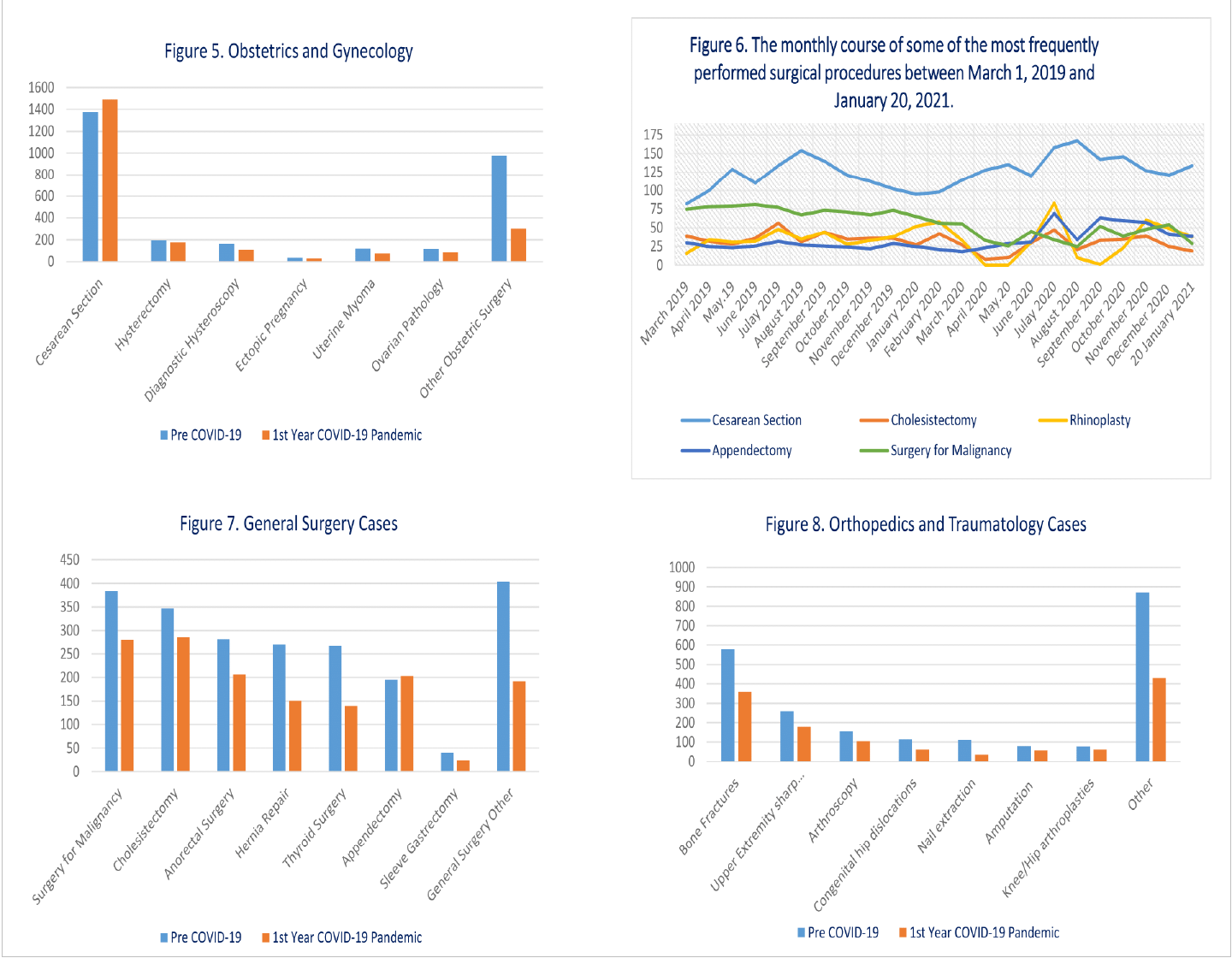
Compared with the previous year, a decrease in general surgical procedures was observed during the first year of the pandemic (p<0.05), with the exception of oncological surgeries (p=0.210) and sleeve gastrectomy (p=0.888). The appendectomy cases increased (p=0.001) [Table 2; Figure 6; Suppl. Figures 9–12].
orthopedic and traumatology was observed compared with the previous year, the difference was not significant (p=0.271). Bone fracture repair, upper extremity sharp penetrating injuries, developmental hip dislocation and arthroscopic surgeries were the top four surgeries performed, and their rankings remained unchanged across both periods [Figure 6; Supplemental Figures 9–12].
A significant decrease was observed in all urological surgeries (p<0.05), except for urolithiasis procedures (p=0.245), compared with the previous year [Figure 6; Supplemental Figures 9–12]. A significant decrease in all plastic and reconstructive surgery operations was observed, particularly in the most frequently performed rhinoplasty procedures (p=0.001), compared with pre-COVID-19 period (p<0.05) [Figure 6; Supplementary Figures 9–12; Table 2]. Vitreo-retinal surgery, cataract surgery, intra-ocular injections, and eye-globe perforation/canalicular injury repairs were recorded as the top four surgery performed by ophthalmology clinic. A significant decrease was observed in all ophthalmological surgeries performed by the clinic during the first year of the pandemic (p=0.001) compared with the previous year [Figure 6; Supplemental Figures 9–12].
Discussion
This study was conducted at a tertiary health care hospital in Van province, eastern Anatolia, which is characterized by a predominantly rural population. According to our findings, COVID- 19 significantly impacted the number of surgical procedures performed across all surgical clinics, with the exception of cesarean delivery (C/S) deliveries and appendectomies. During the first year of the pandemic, an increase was observed in the number of cesarean delivery (C/S) and appendectomy procedures. The declaration of the pandemic implementation on of national restrictions, and recommendations to postpone elective surgery contributed to a reduction in the number of procedures performed across all surgical clinics. However, a non-significant decrease was noted in oncological surgeries, bone fracture repairs, urolithiasis procedures, and critical ophthalmological surgery.
To effectively combat the pandemic, it is critical to allocate available resources to areas in which they are most needed. Equally important is the ability to provide care for high-priority, non-COVID-19 related conditions (9). Consequently, elective surgical procedures have been postponed in many countries, and efforts have been made to reduce the number of daily surgeries (7). In a circular issued by the Ministry of Health of the Republic of Turkey on March 17, 2020, it was emphasized that elective surgery should be deferred to a more suitable date whenever possible. The goal of this measure was to minimize patient density in hospitals, reduce the workload of health care workers, and limit exposure to COVID-19 (10). However, the postponement of elective surgery has raised several concerns, including the potential need for more complex interventions in the future, increased morbidity, and prolonged hospital stays (11, 12).
Although the pandemic has persisted, guidelines have been established to identify surgical procedures that can be safely postponed and those that should not (9). However, given the highly variable hospital burden during pandemic, it is recommended that triage criteria be adapted to the constantly shifting caseload while considering limitations of local resources in surgical planning (13). An analysis of the monthly trend of total surgical procedures performed between March 2019 and January 20, 2021 revealed a decline beginning in February 2020. Following the circular issued by the Ministry of Health of March 17, 2020, the rate of decline in surgical procedures increased. The surgical clinics performing the highest number of procedures were gynecology and obstetrics, general surgery, orthopedics, and traumatology, urology, ophthalmology, and pediatric surgery. The most frequently performed emergency surgery were cesarean delivery, bone fracture repair, cholecystectomy, oncological surgeries, urolithiasis procedures, and globe perforation/canalicular injury repair. The findings of this study indicate that during the first year of the COVID-19 pandemic, the triage of surgical procedures was effectively implemented in our hospital. Depending on the country and the stage of the pandemic, trends in surgical procedures and case volumes were affected at varying rates (6, 14). However, the caseload during pandemic was unstable, demonstrating an undulating trend throughout the year. The growing volume of postponed procedures, combined with the declining incomes of physicians, placed surgeons in a challenging dilemma. The normalization calendar was announced by the President of the Republic of Turkey on May 4, 2020 (15). Subsequently, the Turkish Society of Anesthesiology and Reanimation issued recommendations for the resumption of elective surgeries during the normalization period of COVID-19 pandemic on May 21, 2020. Following recommendations, a significant increase was observed in the number of elective procedures performed (16). For these reasons, elective surgical procedures such as rhinoplasty, thyroid surgery, hernia repair, sleeve gastrectomy, and circumcision were also performed. However, we believe that performance-based supplementary payment system for physicians in the Turkish health care system played a role in sustaining elective surgery during the COVID-19 pandemic.
Retrospective studies have reported a medically unexplained increase in cesarean birth rates during the first wave of the pandemic, with C/S being the most frequently cited indication (17, 18). However, other studies have noted a significant decrease in C/S rates during the first wave compared with the pre-COVID-19 period (19). During the first year of the pandemic, cesarean delivery (C/S) became the most frequently performed surgical procedure in our hospital. The leading indication for C/S was a history of previous C/S, which is consistent with findings previously reported in the literature. Compared with the preceding year, the number of C/S procedures was significantly increased. The inability to perform surgery in district hospitals during the COVID-19 pandemic resulted in an increased patient load at our hospital, a tertiary health care facility. We believe that this was a significant contributing factor to the observed increase in the number of C/S procedures.
The COVID-19 pandemic has prompted a global shift in anesthetic technique preferences, guided by a worldwide consensus. During this period, regional anesthesia was prioritized whenever feasible, particularly for emergency surgery, such as cesarean sections (C/S), because of the reduced generation of fewer aerosols (20). In this study, general anesthesia was the most commonly used technique in our hospital before and during the first year of the pandemic. However, the use of regional anesthesia increased significantly during the first year of the pandemic (19.2%) compared to the previous year (11.4%). We believe this increase can be attributed to the rising rates of cesarean section deliveries and elective surgeries—such as hernia repairs, arthroscopic procedures, prostate and varicocelectomies— performed during periods of reduced COVID- 19 caseloads, which allowed for greater utilization of regional anesthesia.
Since the postponement of high-priority acute surgeries—primarily oncological and highly symptomatic cases—is not recommended during the pandemic, urgent procedures such as oncological surgeries, cesarean sections, bone fracture repairs, urolithiasis treatments, appendectomies, and interventions for upper extremity sharp injuries were performed without delay during the first wave of the pandemic. The impact of the pandemic on oncological surgeries was minimal, as these procedures were highly prioritized and frequently performed by the general surgery clinic. Cholecystectomy, anorectal surgery, appendectomy, thyroidectomy and hernia repair ranked among the six most commonly performed surgeries. As there was no such need, the operating rooms in our hospital were not converted into a novel intensive care unit. However, the number of active operating rooms was adjusted—either reduced or increased—based on prevailing circumstances. As a result, there was no disruption to the operating room services. Surplus health care staff were reassigned to other areas, such as the COVID-19 intensive care and emergency. for surgery undergo COVID-19 screening during the preoperative evaluation. For patients requiring emergency surgical procedures, if a COVID-19 diagnosis cannot be confirmed via real-time polymerase chain reaction (RT-PCR) swab testing, they should be managed as COVID-19-positive. Given that false-negative rate of RT-PCR is approximately 30%, it is advisable to consider all patients scheduled for surgical intervention as potentially COVID- 19-positive. Surgical procedures for suspected or confirmed cases were conducted in HEPA-filtered operating rooms designated for COVID-19 patients (21). To ensure the safety of both patients and health care workers, it is recommended to evaluate each case individually and select the most appropriate surgical and anesthetic techniques (22). During the first year of the pandemic, all surgical cases presented to our operating room were evaluated preoperatively for epidemiological Routine procedures were performed in patients without suspected COVID-19. For patients with suspected or confirmed COVID-19, operations were conducted only after implementing necessary protective measures, including the use of Level III personal protective equipment. The most common comorbidities contributing to increased frailty in patients aged >40 years who are scheduled for surgery include hypertension, diabetes mellitus and coronary artery disease (23). During the early stages of the pandemic, 50% of patients who underwent elective surgery had comorbidities. The four most prevalent conditions among these patients were hypertension, malignancy, DM, and cardiovascular diseases (5). Consequently, the American Society of Anesthesiologists (ASA) Physical Status scores of patients undergoing surgical procedures during the COVID-19 pandemic were higher (24). The comorbidity rates among patients who underwent surgical procedures at our hospital before COVID-19 and during the first year of the pandemic were similar. The most common comorbidities were cardiovascular disease, chronic obstructive pulmonary disease, diabetes mellitus, thyroid disease and obesity. Our findings are consistent with those reported in the literature. Before the pandemic, the ASA Physical Status scores of patients undergoing surgical procedures at our hospital were classified as class I or II in 91.3% of cases. During the first year of the pandemic, higher ASA PS scores (class II, III, and IV) were observed in surgical patients.
Conclusion
During the first year of COVID-19 pandemic, adherence to triage protocols and postponement recommendations led to a reduction in the number of surgeries performed, with the exception of C/S and appendectomies. The performance-based supplementary payment system implemented for physicians in the Turkish healthcare system, along with the increased elective caseload resulting from postponements, has led to the effective performance of specific elective surgeries during the pandemic. However, is this an advantage or disadvantage in unusual situations such as pandemics? We believe that it is essential to investigate whether these approaches advantageous for effectively utilizing available health care resources where they are most needed. These results will provide guidance for the effective and appropriate use of health resources when faced with similar extraordinary situations.
Declarations
- Author contributions (CRediT)
- All authors contributed equally to all 14 CRediT roles (Conceptualization, Data curation, Formal analysis, Funding acquisition, Investigation, Methodology, Project administration, Resources, Software, Supervision, Validation, Visualization, Writing – original draft, Writing – review & editing).
- Funding
-
None of the authors received any financial support that could be considered a potential conflict of interest regarding this manuscript or its submission.
- Conflicts of interest
- The authors declare no conflicts of interest relevant to this article. None of the authors received any financial support that could be considered a potential conflict of interest regarding this manuscript or its submission.
- Ethics approval
- This study was conducted in accordance with the ethical principles outlined in the Declaration of Helsinki. This retrospective study was conducted at a hospital that provides tertiary health care services. Ethical approval was obtained from the Non-Interventional Clinical Research Ethics Committee of Van Yüzüncü Yıl University on November 18, 2022 (Approval Number: 2022/11-21).
- Data availability
- A data availability statement was not reported in the published version of this article.
References (24)
17 of 24 references are linked to their DOI.
- T.C. Sağlık Bakanlığı Halk Sağlığı Genel Müdürlüğü. COVID-19 (SARS-CoV-2 Enfeksiyonu) Rehberi. Bilim Kurulu Çalışması; 14 Nisan 2020. Erişim: 2 Ağustos 2023. Erişim linki: https://hsgm. saglik.gov.tr/depo/Yayinlarimiz/Rehberler/covid-19rehberipdf.pdf PubMed Google Scholar
- Liang T. Handbook of COVID-19 Prevention and Treatment. The First Affiliated Hospital, Zhejiang University School of Medicine; 2020. PubMed Google Scholar
- Horton R. Offline: COVID-19 and the NHS "a national scandal". Lancet. 2020;395(10229):1022. DOI Crossref PubMed Google Scholar
- Amodeo G, Bugada D, Franchi S, Moschetti G, Grimaldi S, Panerai A, Sacerdote P. Immune function after major surgical interventions: the effect of postoperative pain treatment. J Pain Res. 2018;11:1297-1305. DOI Crossref PubMed Google Scholar
- Lei S, Jiang F, Su W, Chen C, Chen J, Mei W, Xia Z. Clinical characteristics and outcomes of patients undergoing surgeries during the incubation period of COVID-19 infection. EClinical Medicine. 2020;21:100331. DOI Crossref PubMed Google Scholar
- Søreide K, Hallet J, Matthews JB, Schnitzbauer AA, Line PD, Lai PB, et al. Immediate and long-term impact of the COVID-19 pandemic on delivery of surgical services. Br J Surg. 2020;107 (10):1250-1261. DOI Crossref PubMed Google Scholar
- Davis SS, Williford ML, Isenburg S, Klopman M, Sweeney JF, Boden SD. A scalable tool for adjudication of time-sensitive cases during COVID-19 pandemic. Surg Endosc. 2021;35(10): 5626-5634. DOI Crossref PubMed Google Scholar
- COVID Surg Collaborative. Elective surgery cancellations due to the COVID-19 pandemic: global predictive modelling to inform surgical recovery plans. Br J Surg. 2020;107(11):1440-1449. Surgical procedures and COVID-19 Güneş et al. DOI Crossref PubMed Google Scholar
- Moletta L, Pierobon ES, Capovilla G, Costantini M, Salvador R, Merigliano S, Valmasoni M. International guidelines and recommendations for surgery during COVID-19 pandemic: a systematic review. Int J Surg. 2020;79:180-188. DOI Crossref PubMed Google Scholar
- T.C. Sağlık Bakanlığı. Elektif İşlemlerin Ertelenmesi ve Diğer Alınacak Tedbirler; 2 Ekim 2020. Erişim: 2 Ağustos 2023. Erişim linki:https://shgmhastahakdb.saglik.gov.tr/TR,64508/elektif-isle mlerin-ertelenmesi-ve-diger-alinacak-tedbirler.html PubMed Google Scholar
- American College of Surgeons. Guidelines for Triage of Non - Emergent Surgical Procedures; 17 Mart 2020. Erişim: 2 Ağustos 2023. Erişim linki: facs.org/covid-19/clinical- guidance/triage PubMed Google Scholar
- Tabakan I. The impact of the COVID-19 pandemic on plastic surgery operations in a university hospital. Cukurova Med J. 2022;47(1):29-33. PubMed Google Scholar
- Sealander KS, Dombey D, Rogers A, Miller M, Madhani S. How to Handle Elective Surgery and Procedures During the COVID-19 Pandemic; 2020. PubMed Google Scholar
- Al-Jabir A, Kerwan A, Nicola M, Alsafi Z, Khan M, Sohrabi C, et al. Impact of the Coronavirus (COVID-19) pandemic on surgical practice (part 2: surgical prioritization). Int J Surg. 2020; 79:233-248. DOI Crossref PubMed Google Scholar
- Budak F, Korkmaz Ş. COVID-19 pandemi sürecine yönelik genel bir değerlendirme: Türkiye örneği. Sosyal Araştırmalar ve Yönetim Dergisi. 2020;1:62-79. DOI Crossref PubMed Google Scholar
- Sungur Z, Ergil J, Karaaslan K, Tomak Y, Turgut N. COVID-19 pandemisi normalleşme döneminde elektif cerrahilere başlama önerileri. Türk Anesteziyoloji ve Reanimasyon Derneği; 21 Mayıs 2020. Erişim: 1 Ocak 2024. Erişim linki: tard.org.tr/assets/pdf/ COVID-Elektif-Cerrahilere-Basslama- Kilavuzu-2.1.pdf PubMed Google Scholar
- Gharacheh M, Kalan ME, Khalili N, Ranjbar F. An increase in cesarean delivery rate during the first wave of COVID-19 pandemic in Iran. BMC Public Health. 2023;23(1):936. DOI Crossref PubMed Google Scholar
- Bhatia K, Columb M, Bewlay A, et al. The effect of COVID-19 on general anesthesia rates for cesarean section: a cross-sectional analysis of six hospitals in the north-west of England. Anaesthesia. 2021;76(3):312-319. DOI Crossref PubMed Google Scholar
- Eleje GU, Ugwu EO, Enebe JT, et al. Cesarean section rate and outcomes during and before the first wave of COVID-19 pandemic. SAGE Open Med. 2022;10:1-11. DOI Crossref PubMed Google Scholar
- Bampoe S, Odor PM, Lucas DN. Novel SARS-CoV-2 and COVID-19. Practice recommendations for obstetric anesthesia: what we have learned thus far. Int J Obstet Anesth.2020;43:1-8. DOI Crossref PubMed Google Scholar
- Chellamuthu A, Kumar JS, Ramesh BA. Impact of COVID-19 pandemic on plastic surgery practices in a tertiary care setup in southern India. Niger J Clin Pract. 2021;24(10):1558-1564. DOI Crossref PubMed Google Scholar
- De Simone B, Chouillard E, Sartelli M, Biffl WL, Di Saverio S, Moore EE, et al. The management of surgical patients in the emergency setting during COVID-19 pandemic: the WSES position paper. World J Emerg Surg. 2021;16(1):14. DOI Crossref PubMed Google Scholar
- Seib CD, Rochefort H, Chomsky-Higgins K, Gosnell JE, Suh I, Shen WT, et al. Association of patient frailty with increased morbidity after common ambulatory general surgery operations. JAMA Surg. 2018;153(2):160-8. DOI Crossref PubMed Google Scholar
- Nachon- Acosta A, Martinez-Mier G, Flores-Gamboa V, Avila-Mercado O, Garcia IM, Yoldi-Aguirre C, et al. Surgical outcomes during COVID-19 pandemic. Arch Med Res. 2021;52(4):434-42. DOI Crossref PubMed Google Scholar
Read the full text
Open the PDF here
Loading the PDF…
If the PDF does not show here, use the download button above.
How to cite this article
Gunes HY, Aslan M, Kacar C, Keskin S. Comparison Between Surgical Procedures Performed in the First Year of the COVID-19 Pandemic and the Previous Year in a Tertiary Hospital: A Retrospective Analysis. Ulutas Med J. 2025;11(1):3-14. doi:10.5455/umj.20250116100903
Gunes, H. Y., Aslan, M., Kacar, C., & Keskin, S. (2025). Comparison Between Surgical Procedures Performed in the First Year of the COVID-19 Pandemic and the Previous Year in a Tertiary Hospital: A Retrospective Analysis. The Ulutas Medical Journal, 11(1), 3–14. https://doi.org/10.5455/umj.20250116100903
Gunes, H.Y. et al. (2025) 'Comparison Between Surgical Procedures Performed in the First Year of the COVID-19 Pandemic and the Previous Year in a Tertiary Hospital: A Retrospective Analysis', The Ulutas Medical Journal, 11(1), pp. 3–14. doi: 10.5455/umj.20250116100903.